![]()
M. Night Shymalan is the Dr. Frankenstein of movies. He created the monster of “bet you didn’t see that coming” and since The Sixth Sense, he has had to keep upping the ante, each plot more preposterous than the last.
![]()
M. Night Shymalan is the Dr. Frankenstein of movies. He created the monster of “bet you didn’t see that coming” and since The Sixth Sense, he has had to keep upping the ante, each plot more preposterous than the last.

A mystical period piece about the stupidest looking animal ever – a big cat or wolf in a metal suit that ravages the French pre-Revolution countryside, eating only women and children. Lots of slo-mo, stop action, about 5 Jackie Chan-Matrix-like fight scenes, many exploding pumpkins, and a lot of frilly costumes. Zzzzzzzzzzzzzzzzzzzzzzzzz.
A stylish revamp of the Jack the Ripper saga. It has many things wrong with it. Here are a few:
1) Johnny Depp, the lead Ripper investigator, is a psychic, which comes in handy;
2) The Ripper entices prostitutes with grapes, a neat fact the investigators choose to withhold from potential victims (as well as the fact that the Ripper is an educated man);
3) Heather Graham is about as convincing as a Whitechapel prostitute as I might be as the lead in “The Clint Eastwood Story.”
4) Every murder (and every autopsy/crime scene) is shown. Each more bloody than the next. Exhausting.
The crime of it is not the gore, tedium and heavy hand, but the fact that this Hughes Brothers picture (the Hughes Brothers of the classic Menace II Society) was the end for them until 9 years later, when they helmed The Book of Eli.
It is bad enough that Hollywood would hand a period piece to a couple of young directors who made their bones on the verisimilitude of modern South Central LA. But after they botch it, nine years later, they’re given The Book of Eli?
Not fair.

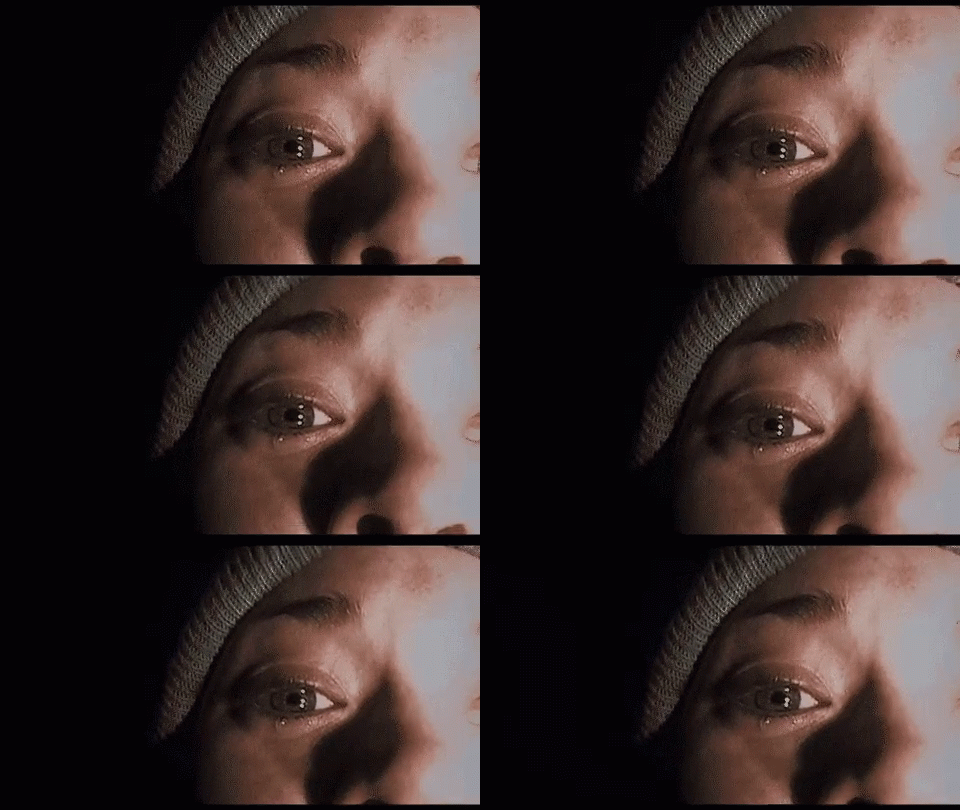
Three student filmmakers are on the hunt in the woods of Maryland for a legendary evil that may or may not have murdered seven children and five men in the 1940s. They become lost. Their footage – the film – is found.
The introduction – as the kids meet and speak with the townsfolk to unearth the mystery – is clever and utilitarian. The snippets of information given during these mostly humorous encounters are valuable, and the interviews are indistinguishable from any conversation you might have with a resident of a small Maryland town.
When the trio move from the town to the woods, in search of the sites of the murders, make no mistake, it is horrifying. And not in the Kevin Williamson “tongue-in-cheek, stylish and ironic” sense. It is not violent, nor gross, but bare-bones and primal. They are hopelessly lost. They begin to break down. Something is tracking them. Your vantage point is their clumsy vantage point, through the eyes of a film and a video camera.
The reviews of the film state that the actors were given minimal training with film and video cameras, and then they were let loose to act spontaneously along the lines of the plot. This may or may not be true, but either way, all three actors convey realism, and the camera-work (well edited) intensifies the terror.
I also thought about this film more than I expected to. One scene in particular, where the female filmmaker films an apology to her parents and the mothers of her two companions – runs your blood cold. It stuck with me, because the actress seemed so bare and alone.
Finally, the ending scene is one of the most gripping I’ve ever seen. Through quick visuals (in a dark melee) much is revealed that stitches The Blair Witch Project together, proving it not only creepy, but accomplished.
Two personal anecdotes. Some folks may feel the film stagey because the filmmakers shoot their personal interactions, which obviously helps the plot. I participated in student films in college, and everything, including banter, tends to get filmed because video costs nothing, the film allotment is free or subject to a huge reduction, college students making films are hopeless hams, and everyone wants to laugh at “The Making of . . . . ”
Second, I went to summer camp in Southern Maryland off the Wicomico River. Legends abound of witchcraft, strange worship, murder, and the like, in the woods off the camp (the stories were, of course, amplified by sadistic camp counselors ). That said, you hike too far in any woods an hour outside of Washington, D.C., you can get real lost, real fast.
This film is not for everyone. Some folks behind me in the theater were exasperated by the hand-held camera (which can make you queasy) and loudly complained, ‘What was the big deal?” My guess, and it is only a guess, is that they heard the buzz, thought to see the work of young auteurs, and had no idea they were walking into a stripped-down, cleverly realized supernatural Deliverance.

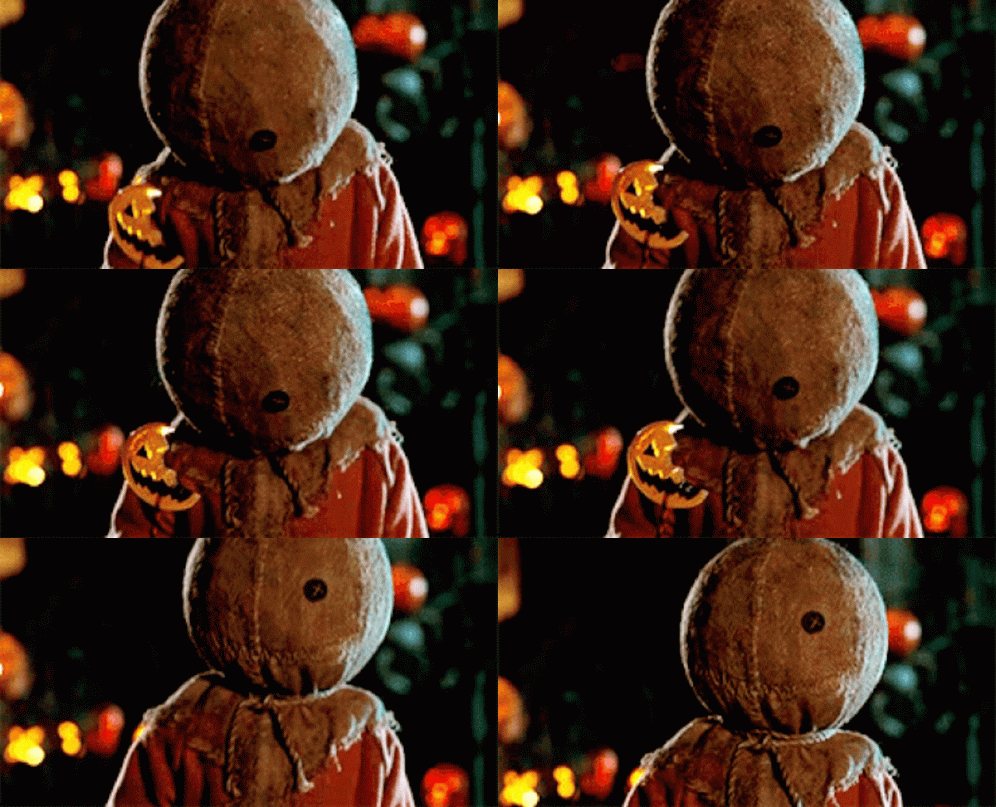
A clever horror film that is closer to camp and spooky than terror, this is a fun frolic intersecting Halloween night vignettes, refreshingly free of the Saw/Hostel gore porn now in vogue. Currently on MAX.
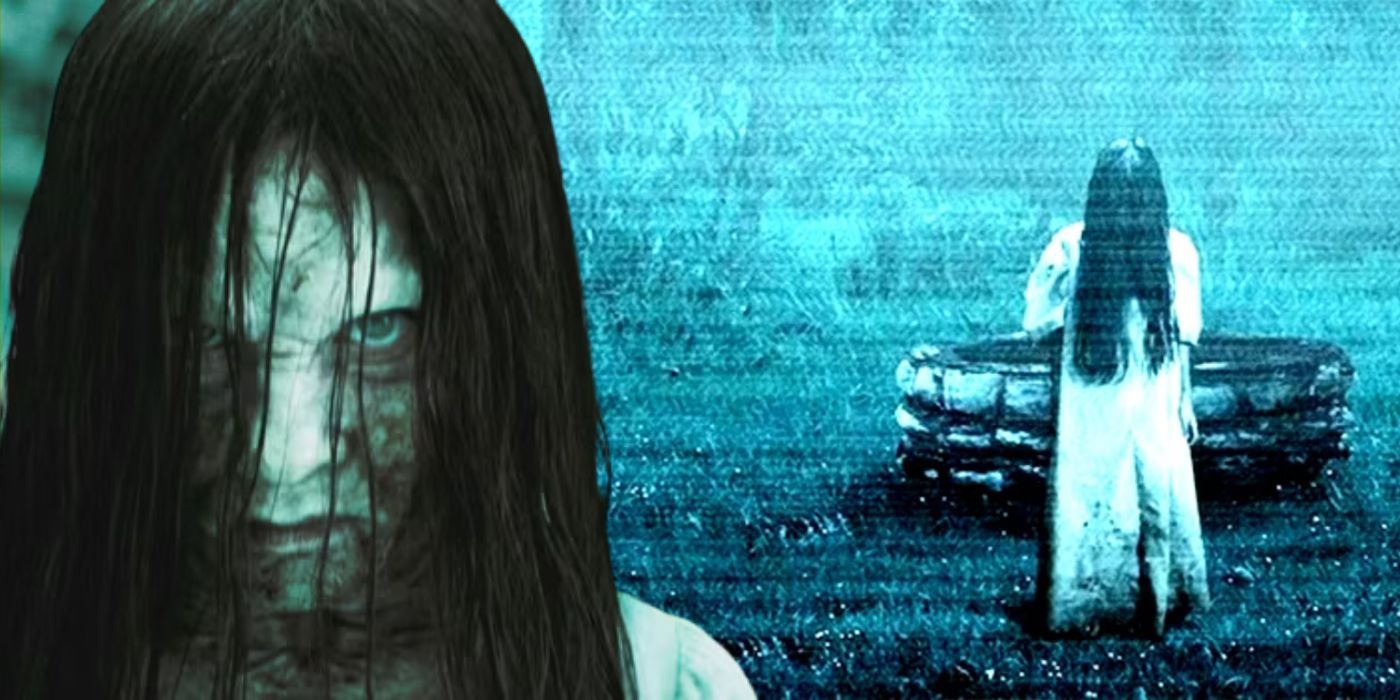
Unnecessarily convoluted but pretty creepy, it’s too bad this movie – which melds the historical ghost story of The Changeling with the silly modern fright of Videodrome – isn’t better. Director Gore Verbinski (The Mexican, Pirates of the Caribbean) lards on more and more ridiculous plot twists and dumb plot contrivances that eventually, the pictures sinks under its own bloat.
The plot is simple: if you see a particular videotape, you get a phone call, and then you die in 7 days. Reporter Naomi Watts gets on to the story, incredibly and laughably finds and watches the tape, receives the call, and wham! – we embark on a race to find the origins of the tape, going to places that make very little sense given where the tape was found. During the process, Watts shows it to her ex-husband and then, is so negligent, she allows her spooky son to see it as well. One shudders to think what would happen if she had a gun or her sex tape in the house, but either way, you’re not loaded with sympathy for this dimwit.
What follows is no more than hints and allegory as the story gets more cockamamie and out-of-control.
It’s also pretty hard to be scared of a VHS tape. As observed by the estimable Aldous Snow:

Like most Darren Aronofsky movies, this is alternatively unpleasant and mesmerizing. This story of a virginal and mentally disturbed ballet dancer who has been given the plum twin roles of the white and black swan in Swan Lake, you might be more interested in the ballet than the story, as it centers on Natalie Portman, who appears marginally more intelligent and interesting than your average runway model, but only marginally. Because you don’t invest in her, the film ends up being a lot of visual game playing, a steamy lesbian scene between Portman Mila Kunis, and little more.
![]()
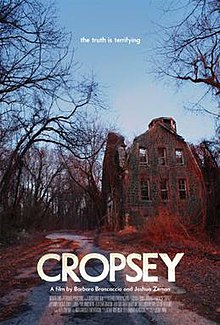
Cropsey focuses on an accused Staten Island child murderer in the 70s and 80s. The documentarians do a very nice job of melding a crime story (there is, in fact, an accused killer) with a child’s sense of the bogeyman. During my childhood, there was a myth of the house where a father slaughtered his family (in fact, a grandmother had a heart attack), there was the deranged retarded man who dragged kids to the woods (no, but he did sell newspapers), and, of course, the exorcist boy was in the vicinity and went to my high school for a short time. Cropsey brings back those good ole’ creepy days.
High production much like Coppola’s Bram Stoker’s Dracula. It even sports Anthony Hopkins. But it lacks Coppola’s panache and sense of humor, and Benicio del Toro is one dull, brooding werewolf.


Relentless, way too slick and patently absurd. The film gave me a vicious headache and I soon felt like the rat (Leonardo DiCaprio) in the maze of the insane asylum.
Martin Scorsese begs us to ask – is DiCaprio crazy or isn’t he?
You won’t care. You’ll do most anything to make it stop.