I signed up for Tubi because it has a lot of older movies that don’t get run on some of the other streaming services. This very competent Peter Yates (Bullitt) flick from 1977 beguiled me as a young teen for a couple of reasons. First, it was a Peter Benchley, post Jaws vehicle, with Robert Shaw as yet another boat captain, though this time his quarry is treasure, not a shark.
Second, well … I was 13 years old, Jacqueline Bisset, enough said.
My prurient childhood fascination aside, this is a pretty solid picture. Two tourists (Nick Nolte and Bisset) happen upon two collided shipwrecks while snorkeling. They cross a local drug lord (Louis Gossett) who also has an interest in what they’ve found (tens of thousands of vials of morphine from an old WWII medical ship) and must enlist a wily old diver and antiquity collector (Robert Shaw) to help them find treasure from the other vessel, deliver the drugs, and otherwise negotiate their way out of the mess.
Nolte exudes charisma as the thrill seeker captivated by the jewels of the sea. Shaw is Shaw, commanding and interesting even when he is probably phoning it in. Gossett is oozily charming as a lethal Haitian trafficker interested not in treasure, but in the drugs, until he learns of the treasure and gets greedy.
Bisset is every bit as alluring as she was when I was 13, and it turns out, now that I can focus, she can act. She is menaced throughout the picture and her terror is palpable.
The film gets balky when Gossett inexplicably harasses the trio even though they are working on his behalf, and the ending is the cheesiest finale in movie history. But otherwise, sexy and solid.
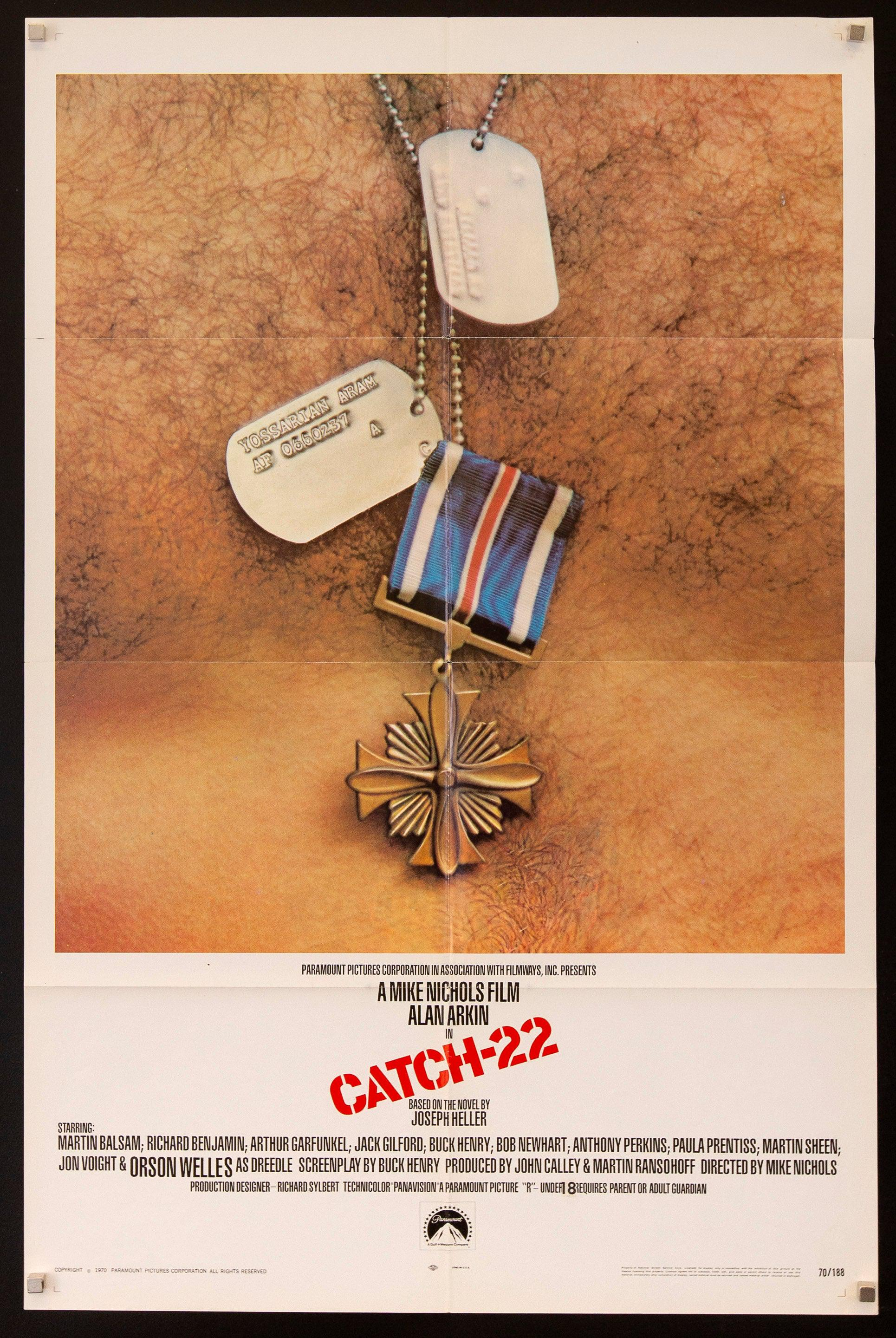
Mike Nichols’ adaptation of Joseph Heller’s dark comic novel is energetically brisk and sometimes entertaining. Tonally, however, the film is an uneven mess, a pointless downer playing bleakness for laughs.
As the original Corporal Klinger, Alan Arkin’s Captain Yossarian is the engine of the picture, a bombardier stationed in Italy who is losing his nerve and wits. His superiors (Bob Newhart, Buck Henry, and Martin Balsam) vex him by upping the number of bombing missions necessary for a ticket home to curry favor with their commanding officer (Orson Welles). Yossarian’s fellow fliers (including Martin Sheen, Richard Benjamin, Anthony Perkins, Charles Grodin, Bob Balaban, Jon Voight, Art Garfunkel, Jack Gilford and Norman Fell ) all suffer under the same yoke, but with cheerful acceptance or apathy rather than the indignation of Arkin’s whirling dervish. How the Academy overlooked Arkin astonishes me; whatever the flaws of the picture, his commitment and on-the-edge turn requiring an actor’s entire skill set is unforgettable.
The film’s main problem is rooted in the see-sawing expanse of the endeavor. Yes, war is FUBAR, and aspects of it are both craven and bizarre. In the world of Nichols and Heller, the poor bombers are riddled with asinine and unctuous leadership, wackadoodle stir-crazy types, suicidal loons, sex-crazed fiends, one murderer, and one uber-capitalist who trades parachutes for commodities on the open market.
When played for laughs, the picture is solid, and no one is begging for verisimilitude. However, when pathos is introduced, such as truly tragic deaths of compatriots (including a particularly brutal death of a young flier) and civilians, the film feels incongruously cruel.
Worse, the picture is more than anti-war. It is anti-American, maybe even anti-everything. As nothing matters, there is no investment in the fates of anyone. A fair juxtaposition is Robert Altman’s M*A*S*H, in which the madness of the endeavor is clear but even in that madness, the professionalism of the medical staff is unquestioned and laudable, the loss of life truly sad. Nichols himself felt M*A*S*H did his picture in: “We were waylaid by MASH, which was fresher and more alive, improvisational, and funnier than Catch-22. It just cut us off at the knees.” All of which is true. But M*A*S*H also had heart and a respect for the craft of combat surgery. Here, there is no respect for anything or anyone and the characters seem more from Looney Tunes than Heller’s book.
Indeed, every hallmark of the American ethos is there for Nichols to malign. The military leaders are insecure dolts, silly and moronic, who care not a whit for the men. The fliers are chumps or burn outs, pawns in the great game, either oblivious or devious in their plans to get out and shirk. Everyone is also an automaton, caring for nothing, even each other. The goal and aim of the war, and this is World War II we are talking about, is at best corrupt and ultimately criminal, as we bomb not only towns with no military significance, but, in a perversion of capitalism, we allow the Germans to bomb our own base for profit. The Italians are victims of the Americans, just as they were victims of the Germans, because, you see, there is no difference between the two. By the end of the picture, the genius behind the corporate conglomerate, Jon Voight, is now close to full Nazi in regalia and trappings.
Hell, even parents who come to Italy to see their dying son are treated as props for a goof.
Yes, yes. None of this is to be taken literally in a “war is madness” story, and the film is a black comedy grossly overgeneralizing for the laughs. Still, it’s the kind of smart set entertainment that fairly encapsulates the philosophy of the sophisticate, a sneering besmirchment that puts the last torpedo into a sinking ship.
I wonder what Heller made of the movie’s iciness. Obviously, his book was a cynical send-up (I read it in high school, along with Vonnegut’s SlaughterHouse-Five), but Heller also flew 60 combat missions as a B-25 bombardier during the war.
William Friedkin’s follow-up to the massive successes of The French Connectionand The Exorcist, the film has met with greater favor in recent years, but at the time, it was a dud at the box office. While it has its charms, the tepid response at its release was deserved.
By way of set up, Roy Scheider is part of a 4 man stick-up crew in New York City that robs from the mob. Three are killed in the caper and Scheider goes on the run, to a small town in Chile, There, he works as a laborer under an assumed name on subsistence wages for an American oil company. He is joined by a French financier, an Arab terrorist, and a hit man of indeterminate background, all incognito and under the gun for their own reasons. None has the means to get out of town. Guerillas, however, blow up an oil well 200 miles away, and the four men are hired to ferry highly combustible dynamite containing nitroglycerin in two trucks through a hellacious terrain of winding mountain roads, dismal swamps, and, at times, torrential rain. The dynamite is necessary to cap the well and extinguish the geyser of fire.
The problems.
First, Roy Scheider is not a lead. Never has been. His intensity is unquestioned but his range is limited, and he’s only asked to be wary and furious, which he does fine. He’s just not very interesting.
Second, given the massive jostling and bouncing in the trucks during the expedition, one does wonder, “Why again was a helicopter out of the question?” Assuming it just was because somehow the flight was more unstable than the truck (which when you see the journey, is ludicrous), I’m still with one commenter, and I don’t think this is niggling:
“This big oil company calls in a helicopter and asks the pilot to transport unstable nitro that would be unsafe to handle, but never thinks to ask the helicopter pilot to bring with him some stable explosives that they can use right away. Was it more cost-effective to pay 40000 pesos (plus supplying two large trucks and apparently a bunch of additional new auto parts) and risk a 218-mile land journey than it would have been to just fly in some new explosives?
Third, other than the French financier (Bruno Cremer), with whom we spend a lot of time explaining his backstory, we don’t really get to know these men, and in their journey, they share very little.
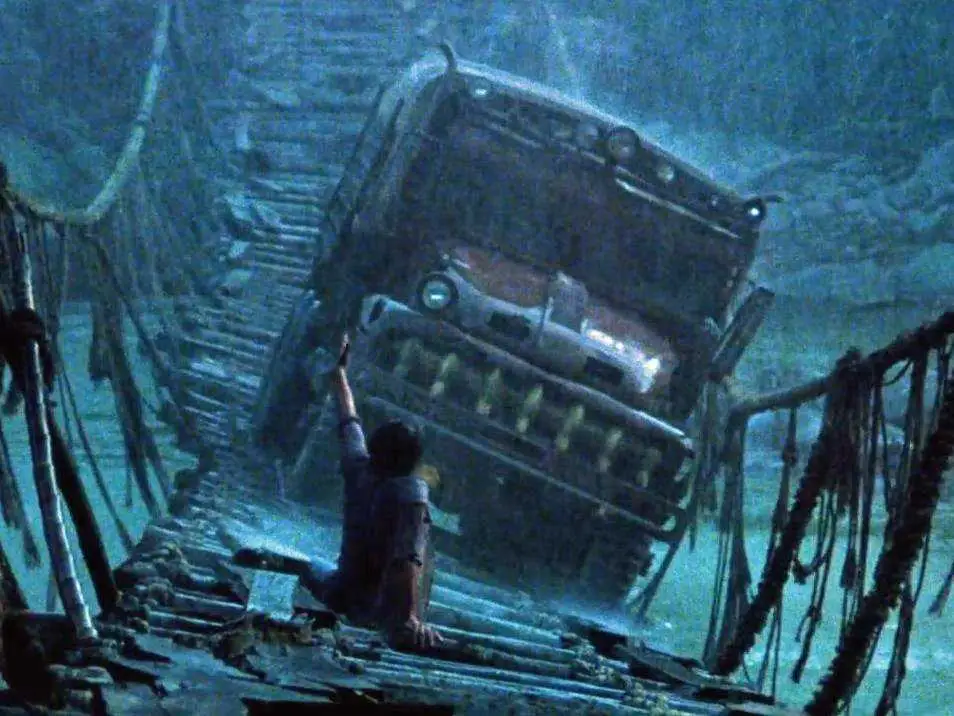
On the plus side, many of the ordeals are stunning (getting the trucks over wooden, swinging bridges is one of the most riveting things I’ve ever seen in movies); the visual grit of the film is palpable, which in the age of sterile CGI, is always welcome; there is also a matter-of-fact lack of sentimentality that melds well with the harshness of the environment; and the picture introduced Tangerine Dream (Thief, Risky Business, Near Dark) and the synthy soundtrack is dissonant but effective, as the environs seem almost otherworldly.
Bill Burr, Quentin Tarantino, and my son (his biting rejoinder pending) are decidedly more enthusiastic. Hell, Tarantino deems it “one of the greatest movies ever made.”
I was abandoned this past weekend, and I don’t do well alone. With an empty house and the care of a disinterested 15-year-old cat entrusted to me, I took the time to catch up on a few 70s flicks in my queue, including this strange creature.
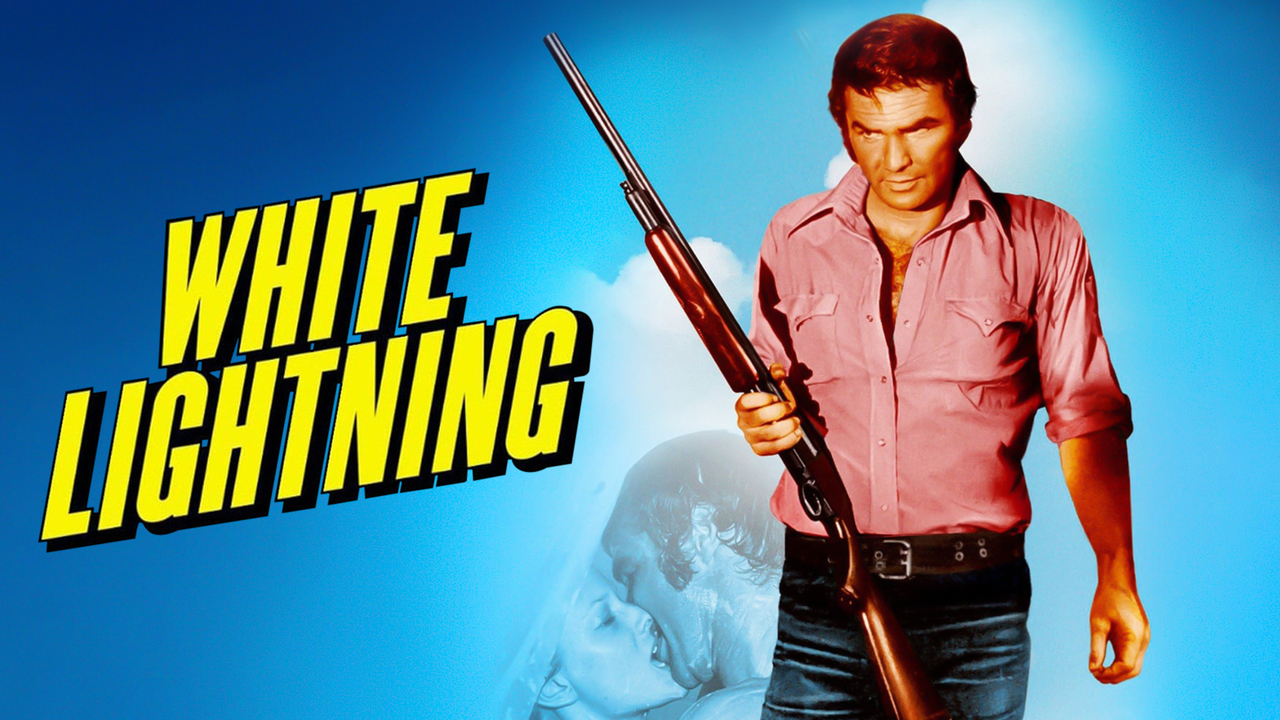
Burt Reynolds – not at the height of his popularity, but post-Deliverance – is Arkansas inmate Gator McCluskey. He’s in the federal pen for illegal liquor running when he learns that a crooked sheriff (Ned Beatty) has murdered his younger brother. Why? Because the brother was a meddlesome hippie, and Beatty does not like hippies. So, Gator gets out, insinuates himself into the county, and exacts his revenge.
There’s a lot bad to meh here. The “I hate hippies” thing is unexplained – we never really know what the kid did to deserve being dumped in the swamp, and a sit-down between Beatty and Reynolds never happens. And the women of the Arkansas county are so carnal in their attraction to Gator, it seems cartoonish. Worse, there are tons of car chases, but not of the ilk of The French Connection or The Seven-Ups or Bullitt. Just a lot of banal vrooming around dusty country roads. From this demon seed sprouted Smokey & the Bandit and Cannonball Run (Hal Needham was a mere stuntman for the picture, but a few years later, he was second unit director on a reprise, Gator, and then he moved on to directing the slop that was Smokey and the Bandit I & II and Cannonball Run I & II). The first glimpses of Reynolds’ giggling, slapsticky, “I don’t give a fuck” mien can be found in the flick as well.
There are a few notes on the plus side of the ledger. Reynolds connects. He has movie star gravitas and just enough menace left over from Deliverance to project power and fear. Beatty is also strong, exuding a meanness and lethality in the guise of a portly bureaucrat. The film also takes a few runs at a healthy cynicism.
Fun facts – at the tail end of his career, the picture’s screenwriter, William Norton, did 19 months for ferrying guns to the IRA. After being released from prison, he moved to Nicaragua, where he shot and killed an intruder in his home. He then spent a year living in Cuba, was unimpressed, and was smuggled into the U.S. by his ex-wife.
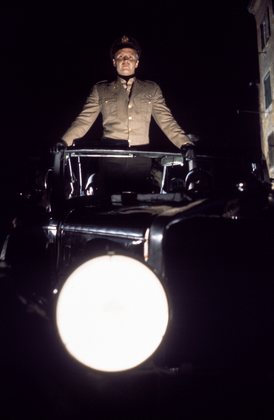
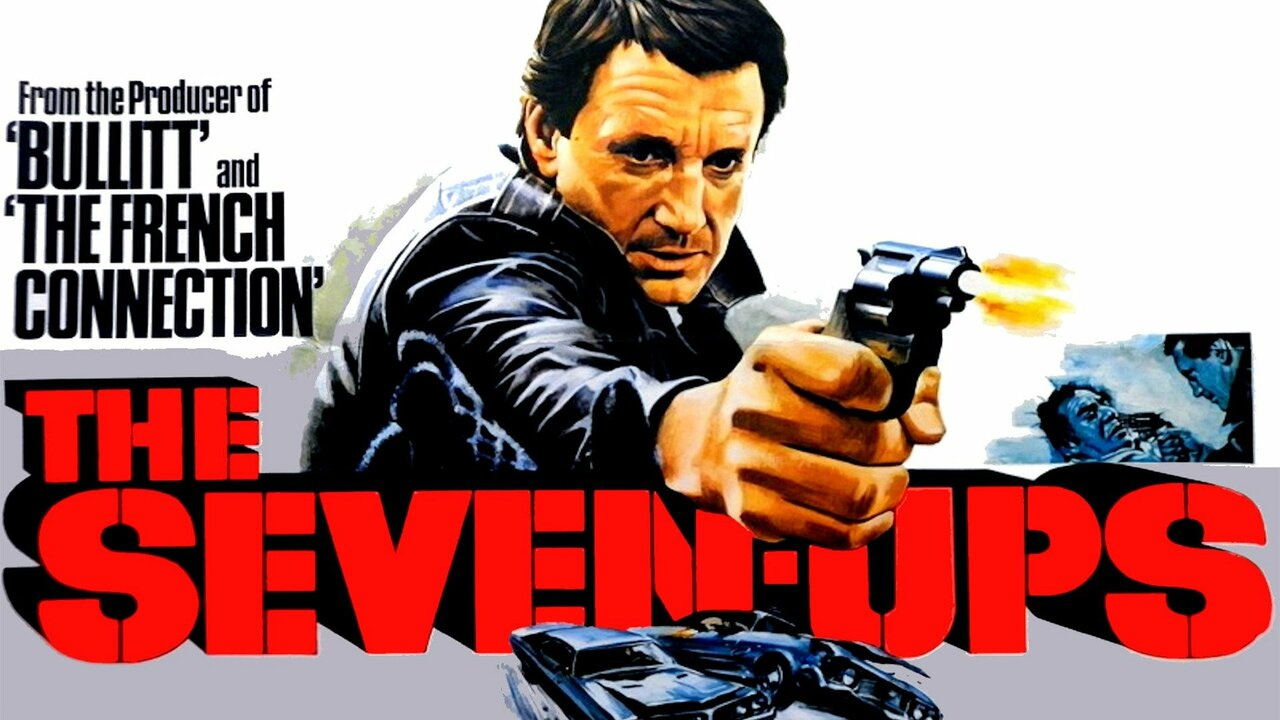
Director Phil D’Antoni produced The French Connection, and he struck while the iron was hot in this gritty, noir follow-up. The pictures seem familiar, sometimes distractingly so. There is no Gene Hackman as Popeye Doyle, but in his stead is Doyle’s partner, Roy Scheider, a New York City detective heading up a specialized team, untethered from bureaucracy, with its sights on the mob. Scheider has a mole (Tony LoBianco), a connected guy and childhood pal, who gives him tips. We see some stakeouts and takedowns, a lot of steamy subway grates and bleak streets, the Big Apple as hellscape.
D’Antoni also produced Bullitt, and stayed true to what he knows again, inserting a boffo car chase very reminiscent of McQueen’s ride through and to the outskirts of San Francisco.
But Scheider is no McQueen or Hackman. McQueen had the gravitas that told you everything you needed to know and more about his character, even as he wordlessly dined with the stunning Jackie Bisset or loaded up on TV dinners at the corner market. He had depth and heft. Hackman as Doyle was even more fleshed out, a driven, bigoted, brutal thug, the kind of guy who doesn’t stop chasing you even after he accidentally shoots a cop.
Here, Scheider just isn’t given anything. His relationship with LoBianco is seminal, but we learn little through their clandestine meets. D’Antoni must have realized the problem, as he has a scene of Scheider walking through his old neighborhood, but it feels perfunctory. We don’t know who he is or what makes him tick and that’s a problem.
But not an insurmountable one. Solid, no-nonsense, brisk flick, good nostalgia.
I took my cat to the vet yesterday and had that strange interregnum – too late to go back to work and too early to have a drink. So I flipped on the TV and lo and behold, Dog Day Afternoon was starting.
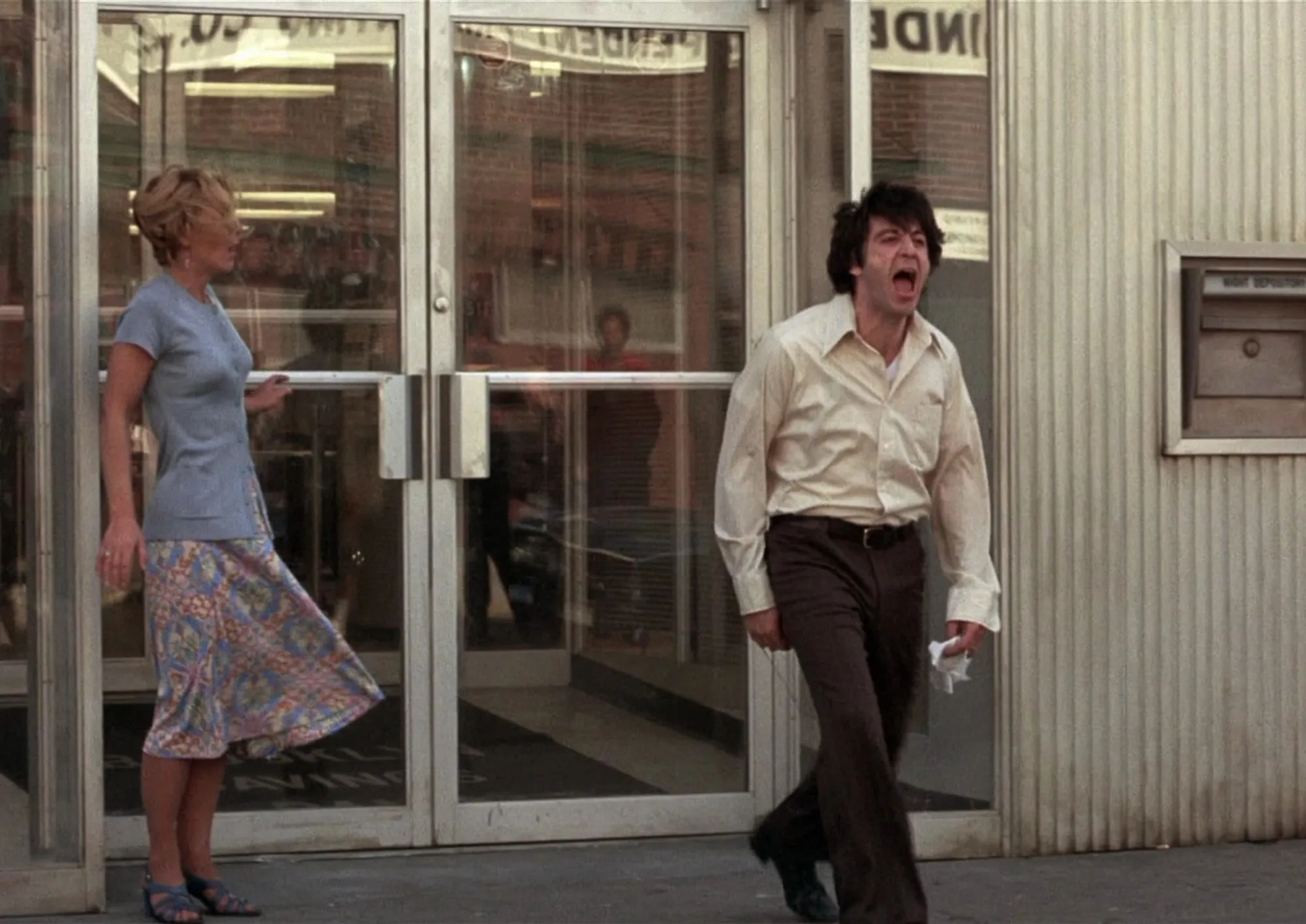
“Prescient” doesn’t even begin to capture Sidney Lumet’s masterpiece. Sonny (Al Pacino) and Sal (John Cazale) rob a bank in Brooklyn and before you know it, everything goes to shit, it’s a hostage situation, and they are surrounded by 100 cops, led by the overmatched and harried Charles Durning.
This is one of those 70s “New York City seems like hell” flicks. The robbery occurs on a sweltering summer day, and the police seem itching to gun down Pacino if only to get out of the heat. But soon, the TV cameras roll in, the crowds arrive, and before you know it, Pacino is a street-performer, not negotiating so much as whipping everyone up, screaming, “Attica! Attica!” and otherwise savoring the moment and, for lack of a better phrase, sticking it to “the Man.” His rage and theatrics are infectious. The crowd bays, bystanders want “in”, the hostages (plucky New Yorkers all) play-act and become featured cast members, and soon, the cops are the ones being led by the nose. Everybody has their 15 minutes.
But Sonny’s ride must end. Sal is a dimwit (when Pacino asks him what country they should fly to in escape, Cazale responds, “Wyoming”). The origins of the heist – to get money for Sonny’s boyfriend Chris Sarandon’s sex change – become public when Sarandon is sprung from a suicide attempt at Bellevue to come talk some sense into Pacino. The hostages start to lose the fun of it as well, and Cazale’s biggest worry becomes the fact that the networks are reporting “two homosexuals” in the bank. When Pacino is put on the line with his wife, you can see how he could be driven to such extremes and also what an awful person he has been to her. His mantra is, “I’m dying.” He is, in front of us, in slo-motion, but we sense we’ve missed a lot of the decline.
There is a great scene where the manager, having suffered a diabetic episode, is tended to by a doctor, gets his shot and chooses to stay with his employees:
As Sonny grabs him to try to help him up, Mulvaney wrenches
away. A little physical here.
SONNY
Hey! I’m tryin’ to help you.
MULVANEY
I stay here. Damn it. I just neededthe insulin. I’m used to it.
Go on. Go on.
SONNY
(to Doctor)
You tell me. Is he endangering his
health, because if you tell me he
is, I’ll get him out.
MULVANEY
I’ll be God damned if you will.
SONNY
Oh, Jesus! You want to be a martyr
or a hero or what?
MULVANEY
I don’t wanta be either, I just want
to be left alone. You understand
that? I wish the fuck you never
came in my bank, that’s all, don’t
try to act like you’re some angel of
human kindness!
You can see Pacino’s hurt. As if maybe he really thought this would work out and that he is a good man.
But soon, the FBI take over, and they are helluva lot more together than poor Durning and company.
Pacino is riveting, alternately electric and doomed, eliciting your scorn and then sympathy. He’s all furtive energy minus the excess and “hoo ah!” You know this had to go bad, and so does he, and it’s depressing to see him hope, just for a minute, and then know he’s a loser and finished. Sarandon is fantastic (he was nominated for supporting actor), ridiculous and yet, affecting in his affectations, as if he knows he’s absurd but can’t shake the affliction.
It won an Oscar for Frank Pierson’s (Presumed Innocent, Cool Hand Luke) original screenplay, which doesn’t have a false note in it.
I recently devoured Quentin Tarantino‘s Cinema Speculations, wherein he recounts his childhood and the succession of films his mother’s boyfriends would take him to see when he was a kid. Most of the films he discusses are ones you probably shouldn’t take a kid to see.
When my mother and father got divorced, I was six years old and my father was supposed to take us every other weekend for two nights. That arrangement became a little less frequent over the years, and by later grade school, he was taking me and my brother on a Saturday day and an overnight. We would spend the weekend with him at his apartment and pretty much do the same thing every time: go shopping, do his errands, look for stereo equipment, maybe spend an hour or two at his law office, go Putt Putt golfing, and then to Shakey’s Pizza in Rockville or The Charcoal Grille in Bethesda. Dinner was from Swanson’s, so you got a entree’, two sides, and a dessert.
And movies. We went out to the movies a lot. Or, we stayed in Dad’s apartment, where he had a special key that was hooked up to some kind of internal cable system, and we could watch close to first-run movies there instead of going out. Or just catch what was on TV.
My father loved movies, he loved to talk about movies, he lived for movies. So much so that he would go through a certain kabuki with me where he would let me take a look at The Washington Post and ask what I wanted to see. I would pick a Herbie the Love Bug and he would say, “Nah. I heard about this good movie.” And then, like Quentin Tarantino with his mother’s boyfriends, you went to see a lot of dark, heavy, violent flicks, like The Laughing Policeman, The Silent Partner, Death Wish, or The Taking of of Pelham One Two Three. Or the remake of Farewell My Lovely, Night Moves, or The Eiger Sanction.
And Rolling Thunder. Which I noticed was available, and, as I couldn’t sleep anyway, I watched last night
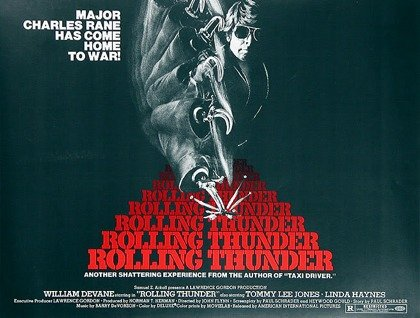
Tarantino’s book has an entire chapter on the film, one of Paul Schrader’s first screenplays after Taxi Driver. Major Charlie Rane (William Devane) and Sergeant Johnny Vohden (Tommy Lee Jones) return to Texas after seven years of brutal captivity in a North Vietnamese prison camp. The adjustment is fraught, and even greater tortures are brought to bear on Devane, who is being treated by an Air Force psychiatrist (the just recently deceased Dabney Coleman) in his attempt to readjust. Tragedy ensues. Devane snaps. What follows is a classic 70s revenge flick.
The film travels wonderfully. There is a crisp foreboding to Devane’s return. While San Antonio welcomes him with marching bands and celebrations, and he is reunited with his long suffering and loving wife and the son who he last saw as a baby, Devane is damaged, and beneath the cheery gleam of a welcoming Texas, there is rot and danger. His son has anxiety issues. His wife has found another man (Devane says to her evenly, “you’re not wearing a brassiere” to which she replies, “oh, no one wears them anymore”). He cannot sleep in the house, preferring a cot in the garage.
So much is done well in the lead-up to the Death Wish-ian payoff, it goes unnoticed because, after all, this is a shoot ’em up, just desserts pic. Per Tarantino: ““This opening thirty minutes is a grippingly detailed character study, and by the time it’s over the audience doesn’t just sympathize with Charlie Rane, we really do understand him. Apparently better than anybody else in the film. It’s a much deeper depiction of the casualties of war than the [other movies of that era].”
I remember watching the film with my father. It is engrossing, both subtle and visceral, like a lot of pictures we saw together. It is also wildly inappropriate, also like a lot of pictures we saw together. I had trouble wrapping my head around something horrible that happens to Devane; not a spinning, vomiting Linda Blair kind of visual, but a brutality so smartly connected to a mundane part of the household, it just traveled with me, and probably not in a good way. Even last night, I fast-forwarded.
But on Sundays, when we were dropped off, I would not tell my mother about any of these movies, because I felt me and my Dad had this thing, this bond, and it was cemented in our little secret, Jujufruits and Junior Mints in hand. And perhaps we did, although I’m probably mythologizing it. After all, my father needed to have something to talk to me about. Or at a minimum, just a two hour break from my babbling.
The picture is currently on Amazon Prime. Nostalgic for me but it really holds up.
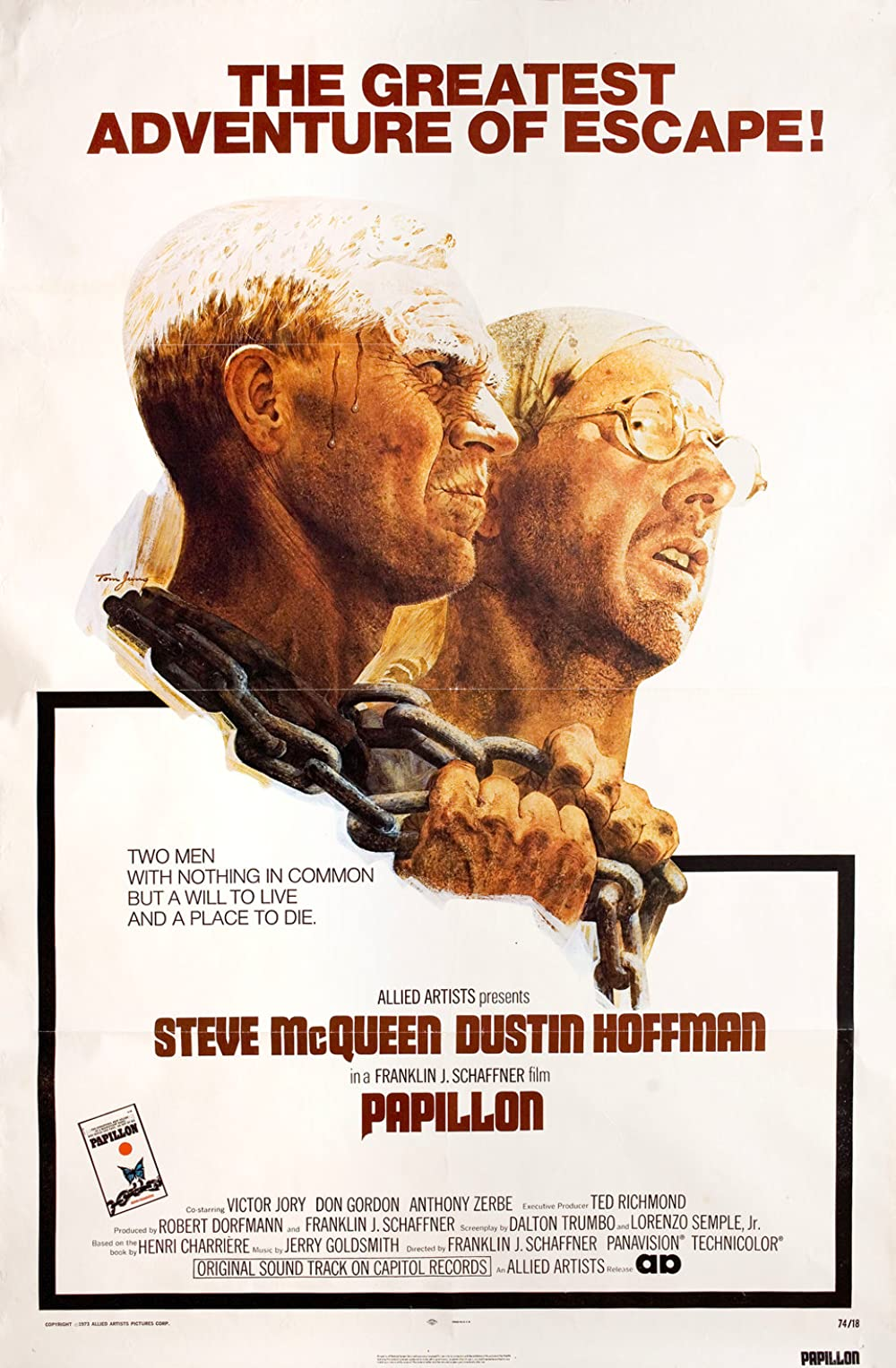
Franklin Schaffner’s (Patton) big-budget adventure/escape flick is competent, professional, well-acted (even if Steve McQueen and Dustin Hoffman have no interest in playing French people) and occasionally imaginative, particularly McQueen’s dream sequences as he fights solitary confinement and near-starvation. McQueen is the title character, sent to French Guiana for killing a pimp, where he meets the bespectacled Hoffman, a forger whose only protection is the ability to bribe officials. Their relationship deepens as McQueen, the Cooler King of The Great Escape, naturally attempts escape again and again here.
You may like the flick or not, but it is noteworthy for one scene, below. That crocodile has its snout wired shut and sure, it is drugged to the gills, but those are two massively bankable stars messing with a real crocodile. Nuts!
Filmvetter has gaps. Many gaps. Truffaut, Godard, and Bergman come to mind.
And, until now, John Cassavetes.
I knew that Cassavetes was an influential filmmaker. Martin Scorsese credits two films that most informed his career: Orson Welles’ Citizen Kane and Cassavetes’ Shadows. Quentin Tarantino also cites Cassavetes, which is strange, for, as one writer observed, Tarantino makes films “in which almost no element comes from life,” whereas Cassavetes’ work is infused with realism. Others who refer to his work include Jim Jarmusch, Hal Hartley, and the aforementioned Godard.
But to me, Cassavetes was the nasty, cynical guy in The Dirty Dozen and the husband in Rosemary’s Baby.
Until I saw this picture, currently available as part of the Criterion Collection on HBO Max.
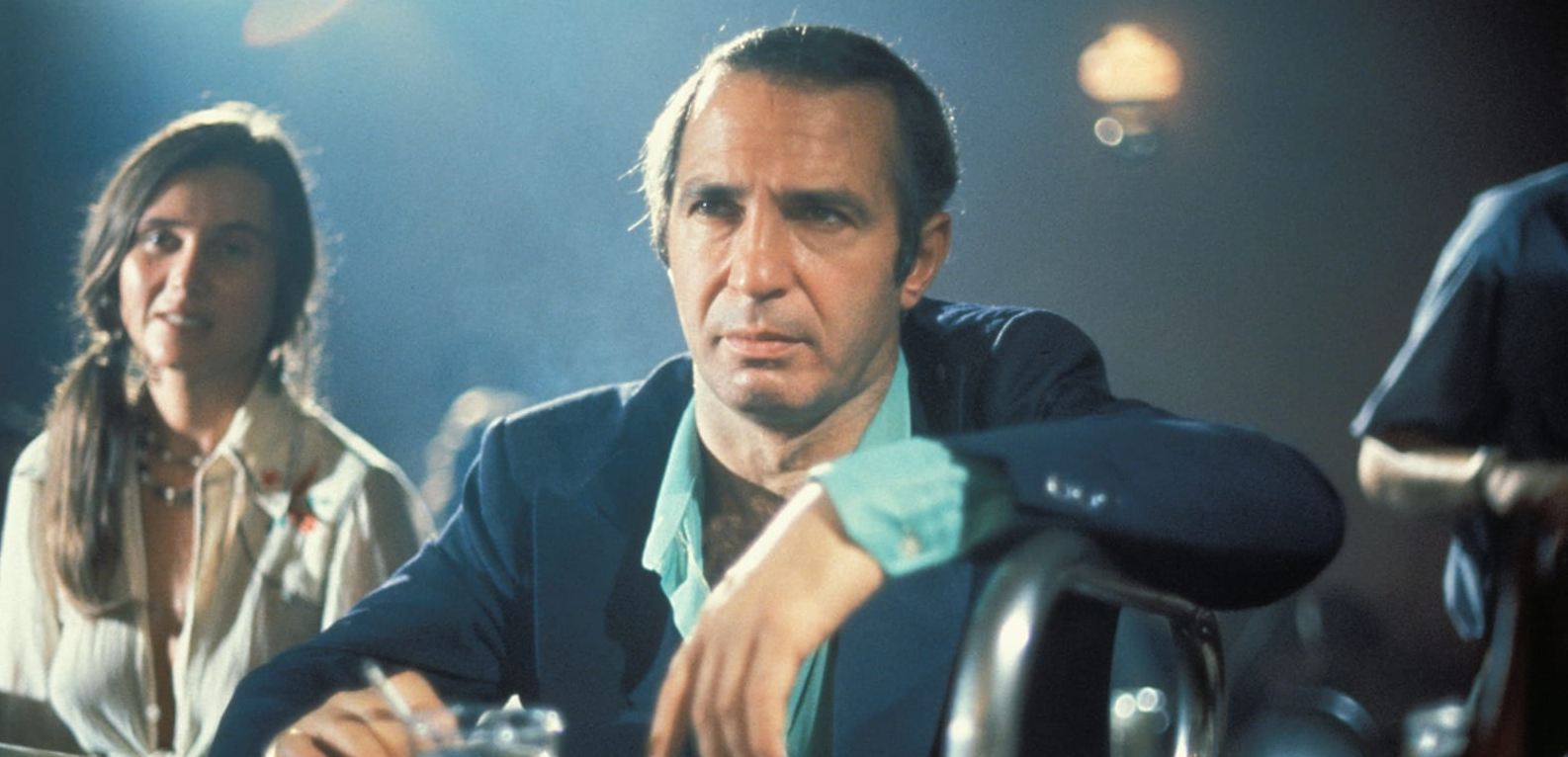
Ben Gazzara (“Cosmo”) plays a strip club/cabaret owner in Los Angeles, when showing some thigh and breast still required the trappings of a “show”. His stage girls are his children, and he is a small fish in a big pond. He just doesn’t know it. Until his big shot routine results in a sizable gambling debt to the local mob, who decide to absolve him of the “loan” in exchange for lethal services.
The film is visceral and immediate yet leisurely. Cassavetes brings you right in on the actors, often letting the dialogue of others register on the one. I was reminded of Boogie Nights and the long take on Mark Wahlberg right before the drug heist, but while that was showy, if effective, Cassavetes’ style is anything but. Instead, it feels natural, almost a controlled improv. Cassavetes gave his actors maximum room, eschewing the Strasberg Method as tired and narcissistic. Per Matt Zoller Seitz, reviewing Ray Carney’s Cassavetes on Cassavetes: “Among other things, Cassavetes hoped to offer young actors an alternative to the Method, a sensory- and memory-centered approach that was taught, in personalized form, by Actors Studio founder Lee Strasberg (whose students included James Dean, Robert Duvall, Robert De Niro, Elia Kazan, Shelley Winters and many others). Variants of the Method encouraged actors to draw heavily on their own experiences and feelings, and to treat hesitancy and inarticulateness as gateways to truth rather than obstacles to clear expression. A number of Method actors personalized this approach and had great success. But Cassavetes felt that the Method, and Strasberg’s Studio in particular, had become a different sort of factory, and he was ‘…resentful about the power the Studio exerted over casting directors, which he felt was what had held him back early in his career,’ Carney writes. ‘He was scornful of what he called the guru aspects of the Studio and pointedly described his and Lane’s school as anti-guru. He felt that the Method was more a form of psychotherapy than acting, and believed that although figures like (Montgomery) Clift, (Marlon) Brando and Dean had had a salutary effect on acting in the late ’40s and early ’50s, by the mid-’50s the Method had hardened into a received style that was as rigid, unimaginative and boring as the styles it had replaced ten years earlier. The slouch, shuffle, furrow and stammer had been turned into recipes for profundity. The actor filled the character up with his own self-indulgent emotions and narcissistic fantasies…Normal, healthy, extroverted social and sexual expression between men and women dropped out of drama. Inward-turning neuroticism became equated with truth. The result was lazy, sentimental acting.’”
There is none of that in this film, which feels so authentic as to be revolutionary. The picture is riveting, grounded, and wholly personal, with an L.A. devoid of the well-know landmarks, not purposefully omitted but rather, naturalistically absent. Cassavetes sets up a noir-ish crime pic, but perhaps bored with the endeavor, detours repeatedly into Cosmo’s crisis of identity.
Gazzara is captivating. Cassavetes trains in on Cosmo’s every conceit when playing the big man. Cosmo’s descendant is none other than Burt Reynolds’ Jack Horner in Boogie Nights, a semi-proficient pornographer who makes himself father to the talent and creates his own world, one where he is Fellini. Similarly, Cosmo treats his girls like perpetual prom dates and tells the patrons in his seedy club, “I’m the owner of this joint. I choose the numbers, I direct them, I arrange them. You have any complaints you just come to me and I’ll throw you right out on your ass.”
When his powerlessness is revealed, Cassavetes lingers on Cosmo’s doubt and his insistence on maintaining the veneer of control and aplomb reveals a hollowness that progressively evinces during the film. But there is also decency and honor, one that becomes difficult for even the mobsters to ignore.
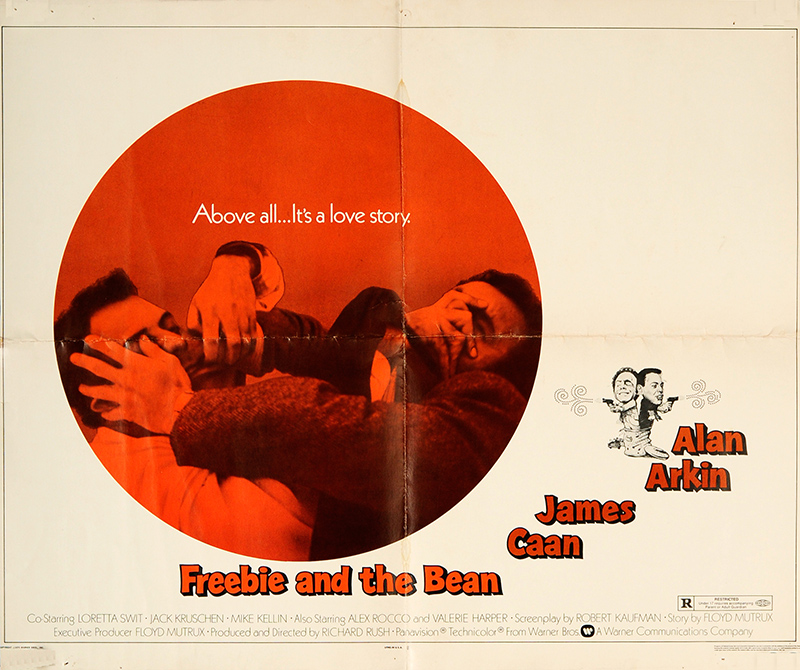
Another of the 70s flicks my Dad took me to when I was probably way too young I remember being so jazzed at the back-and-forth between the manic Alan Arkin and wisecracking, nattily dressed James Caan, two San Francisco detectives trying to take down a mob boss. To make things cooler for a 9 year old, the violence was hilarious yet brutal, the dialogue scabrous, and the car chases relentless and in great supply.
Would it hold up 50 years later?
Yes, and how. Quentin Tarantino has raved, “nothing short of a masterpiece…absolutely brutal…part of the way the film worked was for you to laugh at the brutal violence and then feel bad about yourself for laughing.” That is too much praise, but not by much. Caan and Arkin are a scream, very natural, yet way, way out there in terms of chemistry, perhaps riffing before it became standard, but fully committed, never lazy. I remember cracking up with Dad in the theater and after paying $2.36 for the rental on Amazon this weekend, I laughed out loud a half dozen times and smiled throughout.
It’s a strange duck of a picture, a flimsy cynical story giving way to an entertaining buddy cop yarn (clearly echoing The Odd Couple). Director-writer Richard Rush allows for very long takes of Arkin and Caan needling each other and then, there’s absolute chaos, followed by sweet scenes between Caan and his gal and Arkin and his wife. You get the sense that tonally, no one is steering the ship, and Arkin has remarked that he never really knew what kind of movie Rush was trying to make. Still, Rush makes it more seamless than it has a right to be. Good fun through and through, and The Nice Guys owes a lot to this picture.
Also, wildly offensive. For those keeping count, Arkin of European Jewish descent plays Hispanic (he is “the Bean” – get it?), as does Valerie Harper (“Rhoda”). The script is littered with politically-incorrect jibes that would likely result in a campus protest these days, and the treatment of the villain would require the calling in of the National Guard. So, gird your loins.



 filmvetter