Archive

3 stars

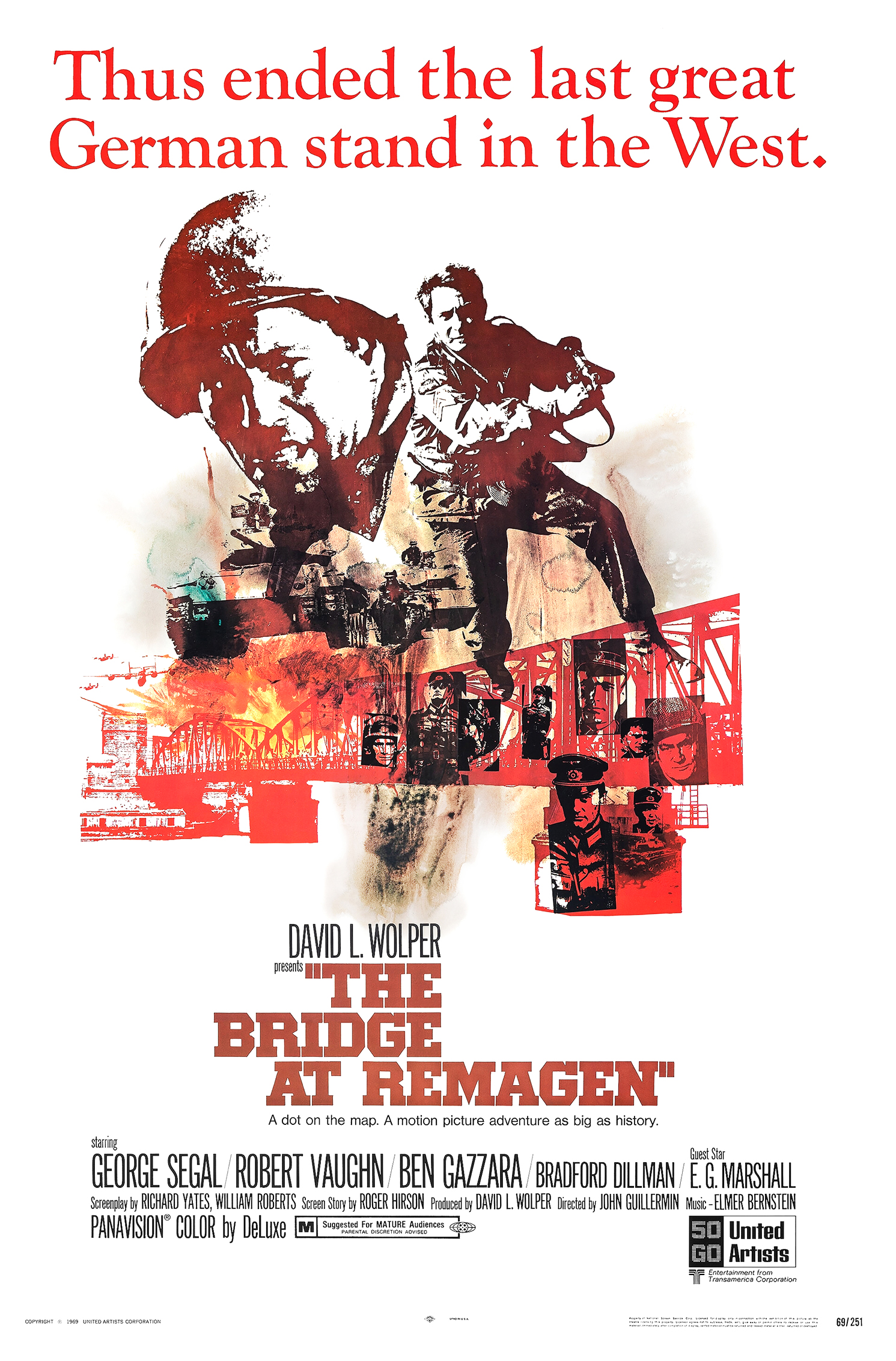
Another war flick I watched in grade school with my Dad. Cynical Lieutenant George Segal is being ridden by gung ho Major Bradford Dillman to save or blow (the mission changes) the last bridge across the Rhine in the waning months of World War II.  Segal in turn rides Sergeant Ben Gazzara, who eclipses Segal’s cynicism (he’s a looter of the dead) and then some. On the other side, cynical German Major Robert Vaughn is sent by his superior officer to save or blow (the mission changes) the bridge.  All the subordinates are let down by their superiors, and they wear their hard-bitten sensibilities on the bedraggled sleeves of their fatigues (or in the case of Vaughn, his snappy leather trench coat).

The picture is competent if forgettable, with a few interesting facets. This is one of several World War II pictures that carry a Vietnam mentality, where the mission is FUBAR, the line of authority weak, the sense of duty subordinated to the futility and the carnage. Even the coda – that the bridge collapsed 10 days after Segal’s unit gave so much blood to take it – is steeped in Hamburger Hill pointlessness (the filmmakers leave out that in those 10 days, 25,000 American troops crossed and three tactical bridges above and below Remagen were built). The picture is also notable for the introduction of the sympathetic Nazi. Here, it is Vaughn, juxtaposed with the evil SS officers in impeccably tailored outfits who are busily shooting civilians and deserters. The same dichotomy can be found in Peckinpah’s Cross of Iron (James Coburn), as well as The Eagle Has Landed (Michael Caine). The phenomenon petered out (along with WWII films) until years later, in Band of Brothers (the surrender scene and subsequent speech by a German general to his defeated troops), Land of Mine, Das Boot, Stalingrad, and, later, more controversially, Downfall, which rankled many given Bruno Ganz’s commanding performance, which elicited some innate sympathy.  Per one reviewer, “the very thought of humanizing Hitler makes me queasy. If he had a good side, I don’t want to know about it.”  

Historical note: when the movie was near complete, the Soviets invaded Czechoslovakia, where it was being filmed. Most of cast and crew decamped to a hotel in Prague, where they voted on whether to split or stick it out. They split, to Germany, in a long wagon train of cars, until things simmered down.

On Amazon Prime.

Amazon Prime is loaded with old crime pictures and though it pains me to categorize a 1990 flick as an “old crime picture,” there you have it.

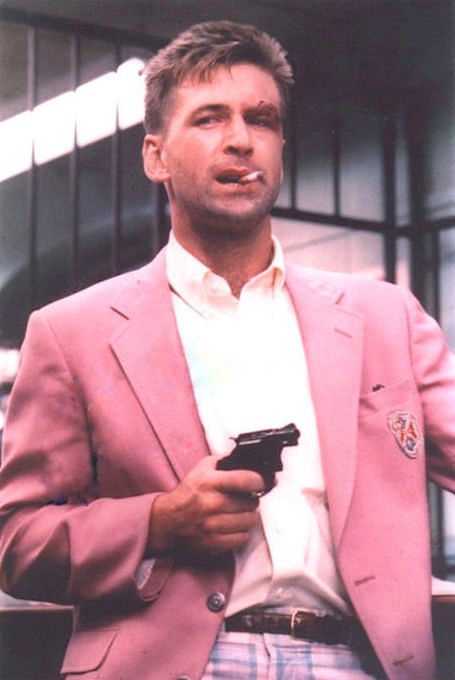
George Armitage (Grosse Pointe Blank) directs an adaptation of a Charles Willeford Detective Hoke Mosely novel (Willeford is a Florida crime novelist less heralded and a lot better than Carl Hiaasen). Alec Baldwin is a quirky thug just out of prison who lands in Miami, accidentally kills a Hari Krishna at the airport, and lands with small town and just starting out call girl Jennifer Jason Leigh. He evades arrest by Detective Mosely (Fred Ward), who is investigating the death of the Hare Krishna, and in the process, steals Mosely’s gun, badge, and dentures, thereafter ripping people off with the imprimatur of authority. The movie is absurdist and light, Armitage’s direction is workmanlike and industrious, and the result is more soft than hard boiled, a fun jaunt through weird 80s Miami. Enjoyable and mostly forgettable.

Mostly. Baldwin is so talented, loose and committed, his weirdo ex-con is fascinating and often gut-splitting. Literally every time he flashes Mosely’s badge, it is laugh out loud. As everyone he tries to hoodwink responds with a weary “ya’ gotta’ be kidding me,” Baldwin amps up his TV cop persona and the result is even funnier. These were early days for Baldwin, a hell of a dramatic actor but stellar in comedies. His choices are brazen and risky, and they all hit. The performance screams “star.”

To complement him, Jason Leigh as the hooker with a heart of gold is so earnest (she is saving up to start a fast food franchise) she actually moves you. Baldwin matches her with a crazy sweetness as they play house (until Mosely closes in).

Worth it, flaws and all, for the performances.

William Friedkin’s follow-up to the massive successes of The French Connection and The Exorcist, the film has met with greater favor in recent years, but at the time, it was a dud at the box office. While it has its charms, the tepid response at its release was deserved.

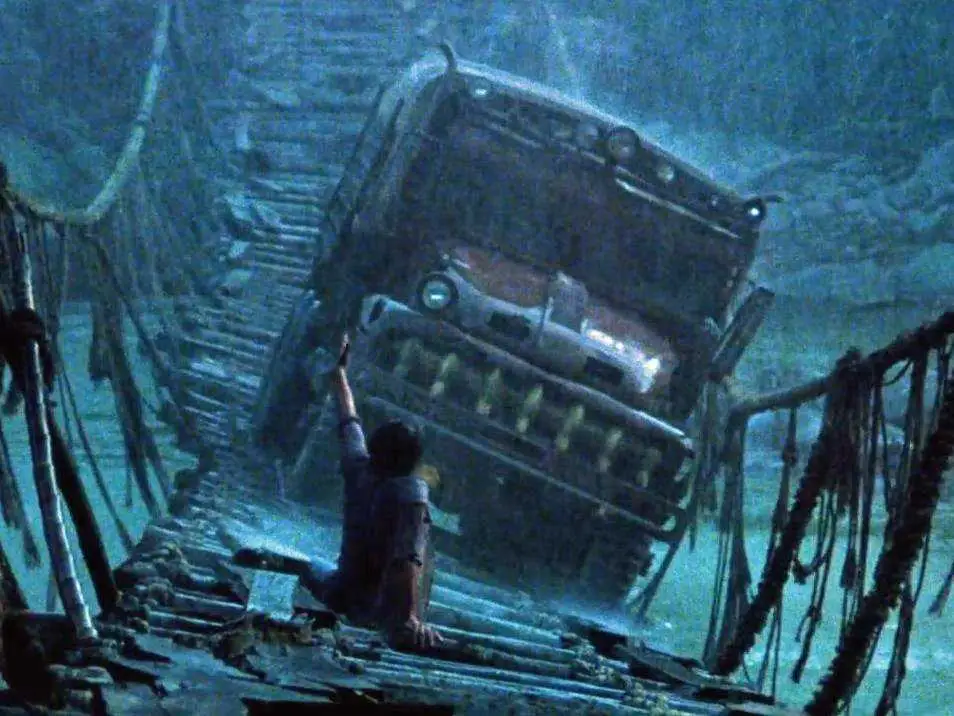
By way of set up, Roy Scheider is part of a 4 man stick-up crew in New York City that robs from the mob. Three are killed in the caper and Scheider goes on the run, to a small town in Chile, There, he works as a laborer under an assumed name on subsistence wages for an American oil company. He is joined by a French financier, an Arab terrorist, and a hit man of indeterminate background, all incognito and under the gun for their own reasons. None has the means to get out of town. Guerillas, however, blow up an oil well 200 miles away, and the four men are hired to ferry highly combustible dynamite containing nitroglycerin in two trucks through a hellacious terrain of winding mountain roads, dismal swamps, and, at times, torrential rain. The dynamite is necessary to cap the well and extinguish the geyser of fire.

The problems.

First, Roy Scheider is not a lead. Never has been. His intensity is unquestioned but his range is limited, and he’s only asked to be wary and furious, which he does fine. He’s just not very interesting.

Second, given the massive jostling and bouncing in the trucks during the expedition, one does wonder, “Why again was a helicopter out of the question?” Assuming it just was because somehow the flight was more unstable than the truck (which when you see the journey, is ludicrous), I’m still with one commenter, and I don’t think this is niggling:

“This big oil company calls in a helicopter and asks the pilot to transport unstable nitro that would be unsafe to handle, but never thinks to ask the helicopter pilot to bring with him some stable explosives that they can use right away. Was it more cost-effective to pay 40000 pesos (plus supplying two large trucks and apparently a bunch of additional new auto parts) and risk a 218-mile land journey than it would have been to just fly in some new explosives?

Third, other than the French financier (Bruno Cremer), with whom we spend a lot of time explaining his backstory, we don’t really get to know these men, and in their journey, they share very little.  

On the plus side, many of the ordeals are stunning (getting the trucks over wooden, swinging bridges is one of the most riveting things I’ve ever seen in movies); the visual grit of the film is palpable, which in the age of sterile CGI, is always welcome; there is also a matter-of-fact lack of sentimentality that melds well with the harshness of the environment; and the picture introduced Tangerine Dream (Thief, Risky Business, Near Dark) and the synthy soundtrack is dissonant but effective, as the environs seem almost otherworldly.    

Bill Burr, Quentin Tarantino, and my son (his biting rejoinder pending) are decidedly more enthusiastic. Hell, Tarantino deems it “one of the greatest movies ever made.”  

On Amazon, for $3.99.

There are figures who defy biography. Some are dolts who we lionize because of an electric public persona, but after we peel back the skin, dig in, and nothing but soft goo is revealed, we adorn them with meaning if only to combat the dullness and our disappointment. Some are opaque, having lived a purposefully secretive life that does not lend itself to exposition. Some are so mythic, hagiography follows, lest a god be sullied. And many are just boring through and through, even if their impact was monumental.

How best to approach Donald Trump? I was thinking about why Saturday Night Live has such a problem caricaturing Trump and concluded that it is difficult to lampoon a cartoon. Trump is thuggish, brash, bombastic, ridiculous, and his persona – both before and during his political career – is that of someone who is already playing a part, man as product. Someone once observed that Bill Clinton was the most authentic phony they’d ever encountered, which makes him Trumpian on one level. The persona so effectively swallows the person that the former becomes innate.

Now, I don’t know what Donald Trump (or Bill Clinton, for that matter) is like privately, and Hollywood has yet to take on Clinton in biopic (we’ve had snippets, most recently Ryan Murphy’s rendition of the Lewinsky scandal, but nothing penetrating or overarching). And neither does screenwriter Gabriel Sherman. But he takes a fair stab, and it’s a game effort, for a time.

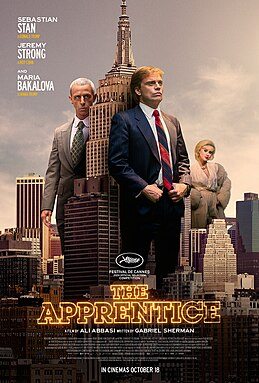
We meet Trump (Sebastian Stan) in the 70s, an ambitious son of an old-fashioned real estate developer who strives for entrée’ into tony Manhattan clubs while working for Daddy, collecting his rents in cheap New Jersey apartment housing. Donald has a dream – to develop a hotel in the then-hellscape of 42nd Street – something his father (Martin Donovan) considers an ill-advised fantasy. But Trump persists and soon, he meets another father figure, Roy Cohn (Jeremy Strong), who becomes his tutor and mentor. Cohn, a sybaritic fixer, protégé’ of Joe McCarthy, and executioner of the Rosenbergs, blackmails those who attempt to thwart his new charge, facilitating Trump’s rise. We watch Trump ascend, while negotiating the death of his alcoholic brother, eclipsing his father, and falling in love with Ivana (Maria Bakalova), all the while with Cohn in his ear. This is the part of the film that works, as we see a progression, both maturation and degeneration.

When we hit the 80s, Trump is on top, Cohn is crippled by AIDS, and their relationship deteriorates. With what feels like the snap of a finger, Trump is callous and brutal, as he repeats the Cohn mantra (attack, deny, always claim victory). But we don’t really see him ever employ those rules. In fact, he just reappears as a brute, and we are treated to the litany of rumor, concoction or well-known unflattering fact without context or explanation. Trump abandoned his brother, raped and verbally abused Ivana, tried to take financial advantage of his doddering father, gave Cohn fake diamond cufflinks, swung and missed in Atlantic City, took a lot of speed, wrote The Art of the Deal, mused about a political future, got liposuction and a scalp reduction, and is a germaphobe. One box after the other perfunctorily ticked. Just overt capsules, with all character-development jettisoned for dizzying visuals of the corrosive jet set life.

I suppose Sherman was trying to portray the seduction of Trump in concert with the go-go 80s, but it was done much better by Oliver Stone with Bud Fox in Wall Street, and even that movie can be garish and obvious.  

What does work, however, works very well. The Trump-Cohn relationship is beautifully drawn. The elder sees talent and vitality in the son he never had and a young man he refrains from seducing sexually, while the understudy finds the father who truly believes in him. When the former imparts his wisdom, it would have been nice if Sherman could have employed it more directly as the basis for Trump’s rejection, but it is enough that the devil gets his comeuppance from his Frankenstein, and you know it works, because you kind of feel bad for the devil.

Stan and Strong are riveting and I expect both actors to be nominated. Even if they were undeserving, Trump is irresistible bait for the Oscars and given the unflattering vignettes of the film and the fertile environment for decrying the Bad Orange Man, we and the Academy shall not be denied.  

Luckily, the actors are deserving. Strong is quickly becoming one of the most innovative character actors of his generation (I cannot so on enough about his turn in last years’ Armageddon Time, which, ironically, also included a young Trump character), and Stan manages to humanize a cartoon while incorporating the now ubiquitous Trump cadence and physicality, but doing so in a way that shows the features in infancy, so we can envision what they will be when we turn on our TVs today. Per Sherman, “And I think what Sebastian did so brilliantly is that he doesn’t try to impersonate Trump. He finds his own version of the character. And it works in a way where you feel like you’re watching a real person. You’re not watching Sebastian trying to be Donald Trump.” Dead on.

A solid, game, entertaining, very flawed near-hit that peters out.

On demand.

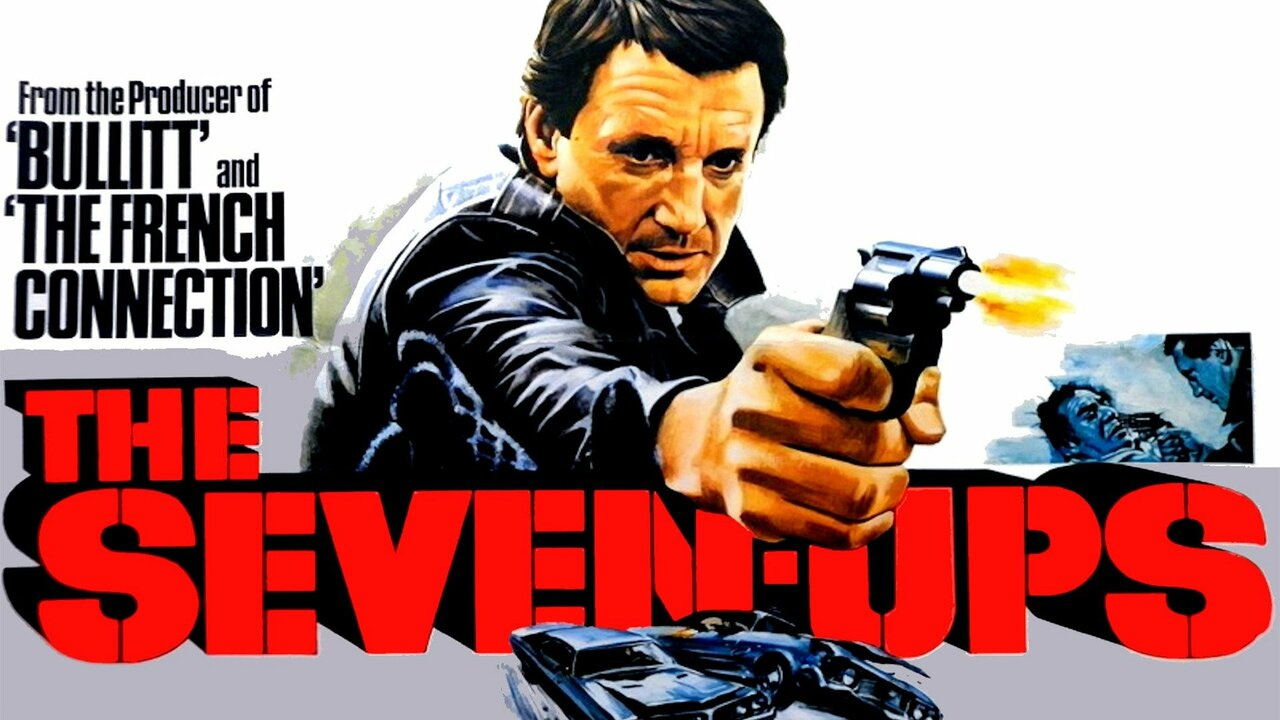
Director Phil D’Antoni produced The French Connection, and he struck while the iron was hot in this gritty, noir follow-up. The pictures seem familiar, sometimes distractingly so. There is no Gene Hackman as Popeye Doyle, but in his stead is Doyle’s partner, Roy Scheider, a New York City detective heading up a specialized team, untethered from bureaucracy, with its sights on the mob. Scheider has a mole (Tony LoBianco), a connected guy and childhood pal, who gives him tips. We see some stakeouts and takedowns, a lot of steamy subway grates and bleak streets, the Big Apple as hellscape.

D’Antoni also produced Bullitt, and stayed true to what he knows again, inserting a boffo car chase very reminiscent of McQueen’s ride through and to the outskirts of San Francisco.

But Scheider is no McQueen or Hackman. McQueen had the gravitas that told you everything you needed to know and more about his character, even as he wordlessly dined with the stunning Jackie Bisset or loaded up on TV dinners at the corner market. He had depth and heft. Hackman as Doyle was even more fleshed out, a driven, bigoted, brutal thug, the kind of guy who doesn’t stop chasing you even after he accidentally shoots a cop.

Here, Scheider just isn’t given anything. His relationship with LoBianco is seminal, but we learn little through their clandestine meets. D’Antoni must have realized the problem, as he has a scene of Scheider walking through his old neighborhood, but it feels perfunctory. We don’t know who he is or what makes him tick and that’s a problem.

But not an insurmountable one. Solid, no-nonsense, brisk flick, good nostalgia.

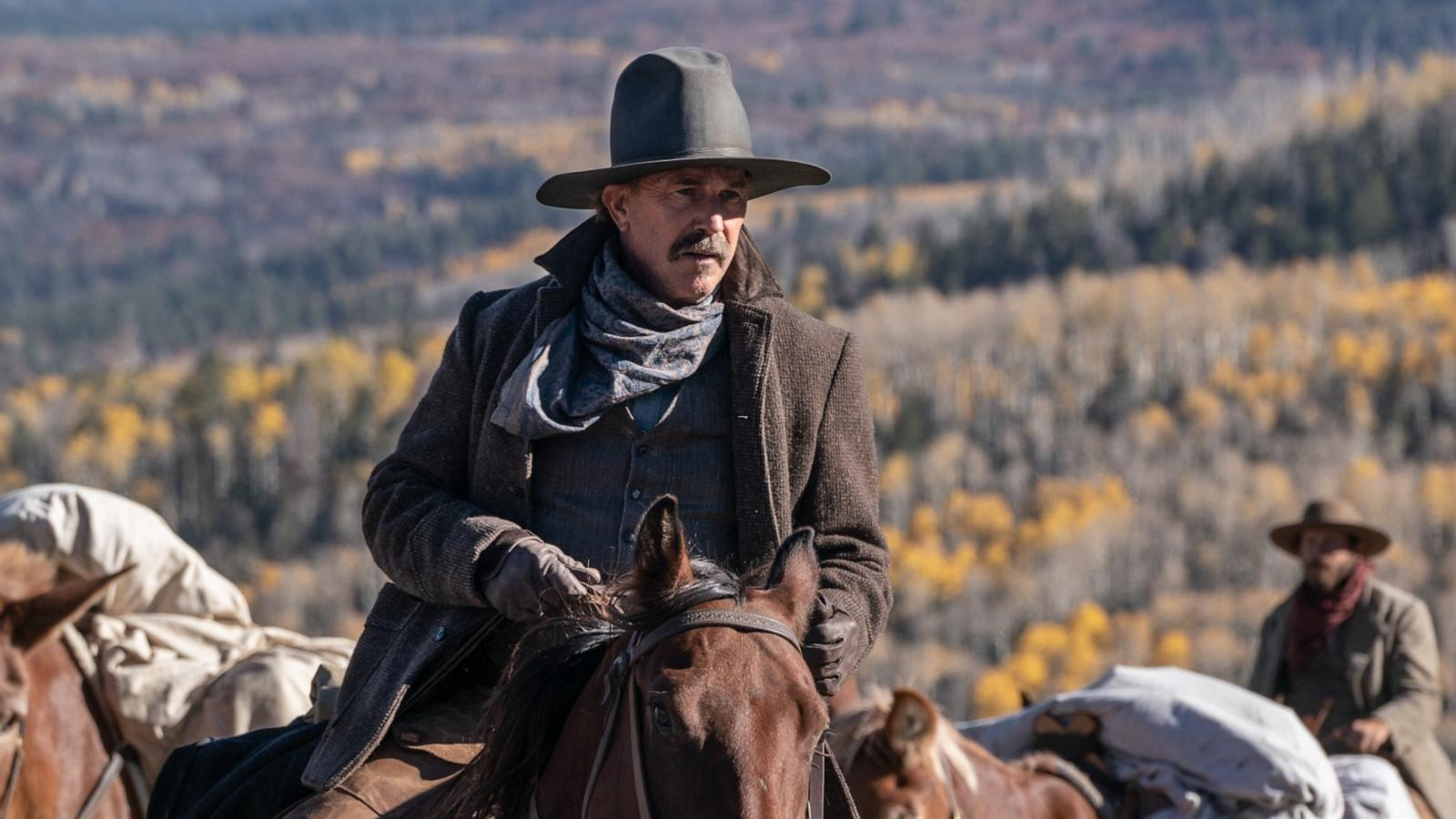
Kevin Costner had a dream.  Four theatrical releases for an ongoing Western. As foretold in the title, a “saga.”

Well, the dream is a bit deferred. Or curtailed. Hard to say.

The first picture – Horizon: An American Saga – Chapter 1 – clocked in at 3 hours, cost $50 million, and returned about $30 million, after which, it was quickly deposited on HBOMAX, where I caught it this weekend.

The story is ambitious. Set in the early 1860s, there are four separate threads that will converge, spanning the Montana territory to the San Pedro Valley in Arizona. There is a fair amount of exposition which is strange, given that Costner’s last two westerns (the overpraised Dances with Wolves, and the under-heralded Open Range) were downright laconic. There’s a lot of chatter, and some of it is sharp (Costner and a would-be assassin walking up to the same cabin, neither knowing the aim of the other until they reach their destination, is a master class in tension building), and some of it anachronistically wearying (can we finally let go of the noble Apache, who dresses down his violent son, “for now the white man will come and make us miserable and throw trash at our feet on a highway in the 1970s, which will make us shed a single, terrible tear”?)

Overall, it is fine, and if you like westerns, you’ll like this. You won’t love it. But you’ll like it.

Even if you don’t dig the picture, the film is shot so beautifully, you often thrill to the visuals without a sense or care as to what is going on.

But it ends just terribly. Horizon 2 is in the can and releases in November, thought likely not in theaters.  Horizon 3 is filming.  Horizon 4 – who knows, but Costner is putting on a brave face.

At the end of Horizon 1, there is a long preview of what is to come, no dialogue, just visuals, as if Costner is desperate to keep you engaged. I stopped it because it showed the intersection of characters and violent, maybe lethal encounters, threatening to ruin what may be coming.

But the gambit seemed a bit needy. Poor choice.  

There are very real and unsettling moments of dread and terror in this story about FBI agent Lee Harker (Maika Monroe) tracking a serial killer in the rural areas of Oregon, circa 1990s. The film is eerie, creepy, and meditatively brooding. It also commendably avoids gore porn and hackneyed, now seemingly obligatory jump scares, while credibly blending the occult with the manhunt. Director Oz Perkins is deft and ingenious with the camera, particularly in flashbacks to various murders. He, or his editor, know how to cut a film.

But … the picture is loaded with plain dumb choices. Perhaps the dumbest being the selection of Nicolas Cage as the serial killer.

I’m not spoiling anything. He appears in the first scene and he is most definitely the serial killer. Ghostly white, screechy voice, clearly deranged, and yet, comfortably ensconced in the same community that has been suffering mass killings for a significant period of time. He’s almost as bad as Pennywise, the clown in It, who lives in a burg where children have a 43% mortality rate. Okay, the FBI can’t really do anything about a supernatural clown that haunts the sewers, though people inexplicably stay in whatever preposterous New England town Stephen King presents (“But honey, the teacher-to-student ratio in Londonderrychester is to die for!”). But a clearly deranged loon who looks like the adult child of Edgar Winter and Phyllis Diller flipping out when he buys supplies at a hardware store that he frequents, and no call to the police? Too much.

The story also relies on a plot device that could work if some care were given. A little bit of a spoiler does follows in this paragraph. The supernatural force controls individuals, and thus they are possessed, for lack of a better word, into doing the Devil’s work. The explanation of how that possession works, is, shall we say, lacking in elucidation (a trusted film correspondent writes, “The silver ball. WTF? Dumb. Dumb. Dumb”). There is also the problem of how the ball is deposited. Better suited to the 1950s and early 60s in terms of getting a foot in the door. Not in Bill Clinton’s America.

There’s also the issue of Agent Harker, who appears to be on the spectrum and whose own tortured background plays heavily into the story. She just doesn’t seem like an FBI agent. She veers between catatonic and stilted, but Monroe can’t imbue any heart. It is critical you care about her fate, but as presented, she’s often just above a mannequin. Worse, other characters (her boss, Blair Underwood and family) are supposed to somehow warm to her, which, given her clear aberrant mien, is asking way too much. 

And for a picture that in many ways rejects some of the formula and tropes of the genre, are we really going to put a rookie agent on the floor, poring over spread-out photos and reports as she tackles the conundrum of Phyllis Winter, who practically wears a sash emblazoned with, “Been Killin‘ Families Since the 70s!”?

 And light switches. Nobody seems inclined to turn on the lights. That’s Jimmy Carter’s America!  

Okay. I’m being hard on a film that ultimately, I recommend. Because the feel and tone and a lot of the choices are right. And it was directed by Anthony Perkins’ son. Who played this guy in Legally Blonde. Which is, like, my favorite movie ever. 

Crisp and taut work by the reliable Alan Pakula (Klute, The Parallax View, All the President’s Men), expert enough that you don’t think about the silliness of it all until the end.

And boy is it silly.

Harrison Ford, with a bad haircut, plays a deputy prosecutor (Rusty Sabich) who has an affair with a subordinate colleague, Greta Shacchi. She is young, exciting, a risk taker, and sexually promiscuous/irresistible.

Rusty, however, is a family man with a loving Plain Jane wife (Bonnie Bedelia), a nice suburban brick house, and a lot to lose. When Scacchi is brutally murdered, Rusty is given the task of prosecuting the killer. But the evidence implicates Ford and soon, he is fighting for his life, enlisting top flight defense lawyer Sandy Stern (Raoul Julia) to defend him. Turns out Scacchi slept with pretty much everybody in the entire judiciary system. Rusty just wasn’t all that special and she was no wide-eyed ingenue, despite his own obsession with his young charge.

Then the twist. [SPOILERS ON A 34 YEAR OLD MOVIE FOLLOW]

Bedelia, sensing the younger woman’s threat to her own family, is the killer! But it’s not enough for her to eliminate the competition, she must teach Rusty a lesson, tame him. So she not only killed his lover, but, per Wikipedia, “left enough evidence for Rusty to know that she committed the crime but did not anticipate him being charged.”

How?

She secreted Rusty’s semen and put it in the dead woman!

Jiminey Christmas! That’ll teach him.

[Side note – how depressing – Rusty and wife are clearly past child-bearing age and what, they’re still using condoms? I mean, I supposed she could have saved it another way, but that seems even more diabolically comical].

Thankfully, for Rusty, Stern is a capable defense attorney, the coroner misplaced the semen sample, a mug with Rusty’s prints found at the scene was disappeared by his investigator pal and even better, Scacchi also slept with the judge (Paul Winfield), for whom she was soliciting bribes.

Case Dismissed.

Maybe one of the dumbest whodunnits ever, the flick came on the heels of Fatal Attraction, the lesson of both being, “Don’t cheat on your wife. Seriously. Don’t.”

Still, it was plenty entertaining as long as you didn’t think too much about it.

Or perhaps think about it at all.

They just released a remake of this on Apple with Jake Gyllenhaal playing the role of Ford. We tuned in for the first episode, which was not good. Gyllenhaal is too young, too emotional, and borderline oafish, and the set-up is wearyingly predictable. Plus, the key to Scott Turow’s novel and the first picture is that Rusty is kind of ordinary schlub entranced by a sexpot. Jake Gyllenhaal is no ordinary schlub and can’t play one. Worse, Gyllenhaal’s Rusty is so into the Scacchi character, even post-mortem, he’s in therapy. Which we get to see. Which sucks.

If it is any consolation, apparently, they have taken care of any import of slut-shaming the Scaachi character. Which is kind of dumb, because Scaachi wasn’t slut-shamed in the original. Rather, she was just breezily promiscuous, manipulative, ambitious, and corrupt. Per Vanity Fair, now, she “cares” for Rusty – blech – a fact I don’t have the time or inclination to confirm.

Perfectly pleasant, adept, and without a moment of originality, a very nice 2 hours delving into Michael Jordan and his first sneaker contract. You will likely enjoy the movie, and then you’ll never think about it again.

Of note is the easy charm of Ben Affleck as Nike founder Phil Knight, the dogged everyman turn by Matt Damon playing Nike basketball scout Sonny Vaccaro, the wry Jason Bateman (Nike Marketing manager Rob Strasser), and the steely resolve of Viola Davis playing Michael Jordan’s mother. All give superb, professional, wholly unchallenging turns that complement both each other and Alex Converey’s tight, predictable script. Marlon Wayans playing Jordan coach and confidante George Raveling also contributes in a poignant scene where he advises Vaccaro on how to approach the budding star.

On the minus side, this is a movie about signing a basketball player to a shoe deal, and the film doesn’t really find anything particularly insightful about this mundane negotiation, other than Damon’s dawning that Jordan will be a God amongst men. So godly is His Airness that while he is present, inexplicably, we only see the back of his head. Jordan never speaks, which both reinforces the picture’s theme that he is near-deity and serves as a tremendous cop-out and missed opportunity.

 I mean, don’t we all want to know what God thinks when negotiating a shoe deal?

Mind you, the script is larded with b.s. Nike’s underdog status in the competition to sign Jordan is poppycock, as is the fact that his agent David Falk (a hilariously entertaining Chris Messina) was hostile to the deal. The dollar amount the young upstart company was allotted to go after Jordan is also understated by half.  And Vaccaro never made the decision to breach negotiating etiquette by going over Falk’s head to visit Jordan’s parents in North Carolina, a fiction seminal to the movie. 

The mushy camaraderie of this band of Nike visionaries may also have been a bit much. Worse, the truth may have made for a more interesting picture. Per Slate, “Vaccaro, as might be expected, disputes all these other versions of events robustly, saying “Phil Knight’s lying, Michael’s lying more than Phil, and Raveling is insane. All three of them need to destroy me to live happily ever after. Everyone’s trying to rewrite history. It goes beyond Jordan. I am the savior of Nike.’ It seems that Vaccaro, far from being the easygoing, collegial guy the film depicts, had a tendency to burn bridges. He fell out with Raveling in 1991 and was fired by Nike without explanation that same year.’” Now, that’s a guy I want to see a movie about, not the milk-and-cookies, faux cynical but really schmaltzo character Damon cooks up.

Okay. It’s not a documentary – enough of my curmudgeonly nitpicking. There is certainly greater appeal here for others. When I watched Winning Time on HBO – the laughably ridiculous rendition of the Lakers ascent in the late 70s/early 80s at the advent of Magic Johnson – it was hard to stifle a laugh throughout, and my wife and daughter joined in. But they also liked the series more than me. It was set in a milieu and about a subject they knew nothing about and they were more than happy to enjoy it without worrying about accuracy or any hackneyed presentations. Here too, though she found if “Hallmarky,” my daughter dug Air and noted that she didn’t really know much about any of it before seeing the movie.

Also, if you pine for all things 80s, from Cyndi Lauper to Tecmo Bowl to skateboards, run, don’t moonwalk, to Amazon Prime, because this thing is loaded with “Let’s Get Physical” Reagan-era montages.   

A WWII thriller and a staple on the Channel 7 four o’clock movie growing up, Steven Spielberg once named it as his all-time favorite war movie. I don’t know about that, but as a kid, I was pretty jazzed.

Richard Burton and Clint Eastwood lead a group of commandos dropped behind enemy lines in Bavaria – where the barmaids are buxom and the enemy plentiful – to kill an American general who has been captured by the Nazis. They must get to the general before the Germans extract critical information from him.

The picture is more than competent (though overlong at nearly 2.5 hours; in the 70s, on TV, it was cut to 90 minutes, and did not suffer for it). The movie is also smart, as much a whodunit as war thriller, and uber-violent to boot. 

One major problem, however, is the setup. The American general is held in a castle fortress accessible only by cable car. Putting aside the suspension of belief necessary to accept ingress and egress, which is right and proper, the castle also houses hundreds of soldiers, heavy equipment, a barracks, a helicopter pad, a radio room, and enough ammo and explosives to blow itself up. All, of which, apparently, was ferried up in two cable cars that hold 8 people a piece. 

Another problem is just a terrible cheat. In The Dirty Dozen, Lee Marvin and Charles Bronson, dressed as German officers, must mingle with the Nazis in the chateau they plan to blow up. The fact that only Bronson knows how to speak German amps up the dread, leaving Marvin to play it stern and taciturn whenever a real Nazi speaks to him at a pre-all-hell-breaks-loose soiree’. Quentin Tarantino does the same thing with Brad Pitt at the film premiere in Inglorious Basterds , though he plays a bit more comic. But Tarantino also utilizes the speaking of German, or, rather, the sign language of a German, to brilliant, suspenseful effect, when Michael Fassbender makes a critical error and is thus found out, which was presaged in The Great Escape:

But I digress. 

Here, as Burton and Eastwood approach a checkpoint, where their papers are to be reviewed, you wonder which one is going to speak German.  I assumed Burton.  Then again, I never assumed Eastwood would sing in a musical, but Lord Almighty, that’s him singing Gold Fever in Paint Your Wagon:

So, who knows, right?  Well, it turns out, neither of them speak German.  Instead, they speak English LOUDLY, and the guards figure they don’t want to interrupt two German officers speaking loudly. Translated? Neither actor wanted to learn a little German, so we are left to believe that the guards heard German, even though we did not. Very lame.

On the plus side, Eastwood is Eastwood cool and he conservatively, single-handedly, kills at least 100 Nazis. At 10 years of age, I was sold. There’s also a fair amount on double-crosses (the picture is written by Alistair MacLean), and while I can’t prove it, I suspect Tarantino saw the picture and it informed his unparalleled French cellar bar shootout in Basterds.

On HBO Max.  

P.S. After writing my suspicions about Tarantino, I Googled a bit and now claim semi-vindication. Tarantino has lauded the picture on numerous occasions, particularly during his promotion of Basterds