A timely watch, as I recently finished Nuclear War, A Scenario, an eye-opening, cautionary theoretical which envisions North Korea lobbing several nuclear warheads at the United States, thereby testing decades- old protocols from all major powers and igniting a nuclear Armageddon.
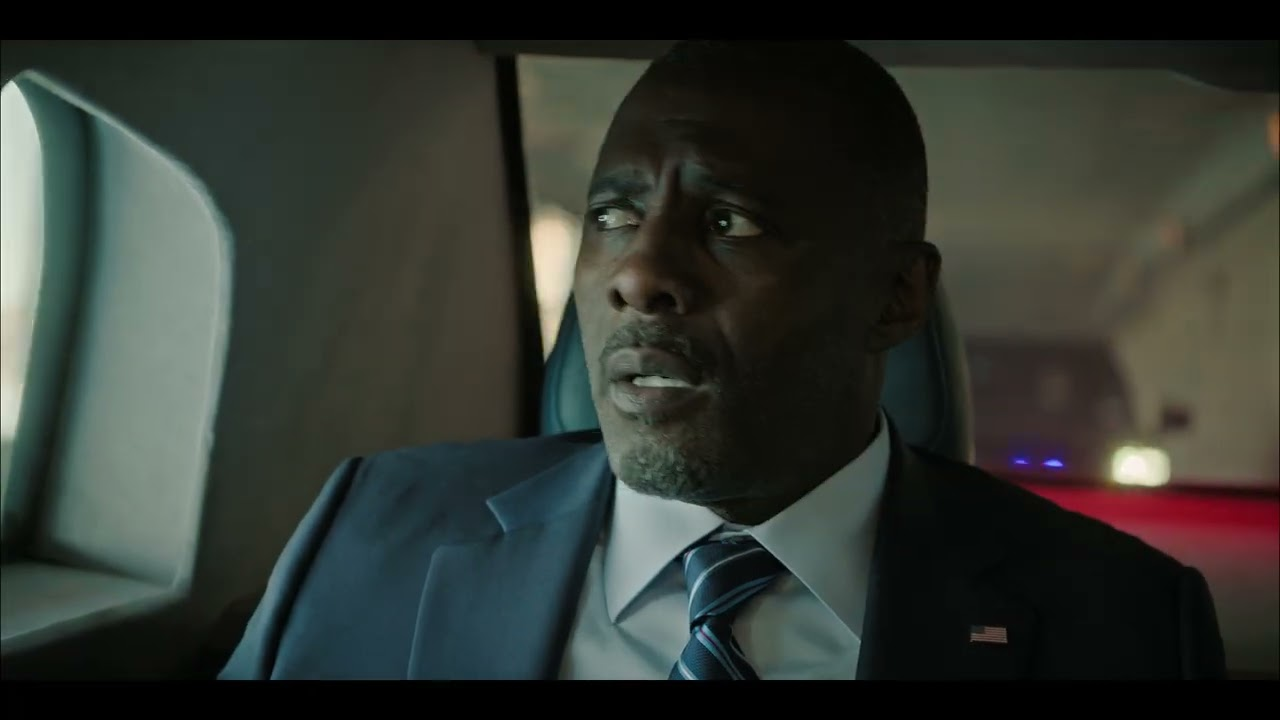
Here, Kathryn Bigelow (Zero Dark Thirty) dramatizes the story via three timelines, all ending at the moment of decision as to response. Just as the attack is reported, after which we have 16 minutes before detonation, President Idris Elba, harkening back to George W. Bush reading to little kids when informed of the terror strikes of 9-11, is shooting hoops at a basketball camp run by Angel Reese.
And … there goes another minute.
Heart-pounding, riveting, and expertly paced, I was most reminded of Paul Greengrass’ United 93, a picture that elevated the professionals and non-professionals in a nightmare scenario, finding bravery, competence, and no matter the outcome of their particular hell that day, a rise to the occasion, with beautiful moments of humanity and humility. Bigelow’s characters are authentic, capable, and thus, all the more engrossing, and she does not neglect them in a film primarily about process and protocol. We learn but tidbits about who they are and what they do. With 16 minutes, there is not time enough, but Bigelow’s economical explication is superb.
On Netflix, one of the better flicks of the year.
*SPOILERS*
There is one major hole. In the book, the scenario had more than one missile coming and they were definitively from North Korea, which truly made the decision as to retaliate more salient. Were more coming? If so, now may well be the time to counterstrike to ensure they were interdicted, even if it meant destabilizing Russia and/or China and inviting a counterstrike based on their misapprehension.
Here, by using a single missile, and making the striking of Chicago a foregone conclusion, on reflection, the response, for which we are all obviously waiting on pins and needles, is not really in doubt.
You would wait on the single missile to hit, see if it detonated, and then wait to see if any more were launched. Nothing that you could do two minutes before the missile hit, you could not do after the missile hit.
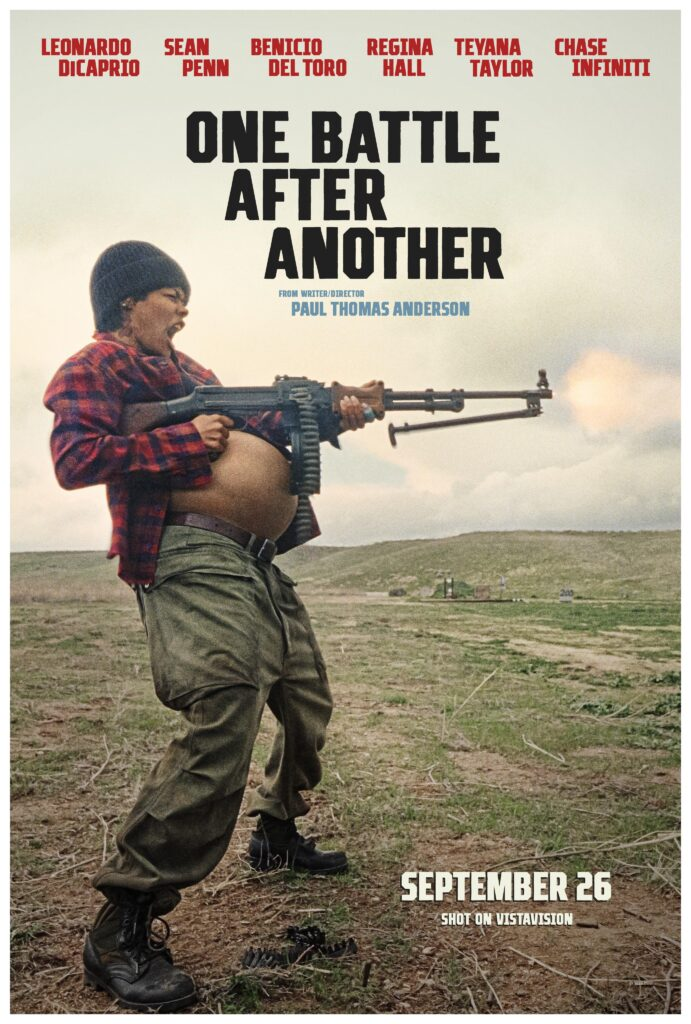
A wild, screwball thrill ride, Paul Thomas Anderson infuses adrenaline with wit and a surprising knack for action sequencing. Leonardo DiCaprio, after Once Upon a Time In Hollywood again demonstrating he is our most accomplished dramatic/comedic actor, plays Bob, a former American domestic revolutionary. Think Weathermen, or Symbionese Liberation Organization, but hyper-charged with comic book pizzazz. Bob got out of the game when he had a daughter, Willa (Chase Infiniti). When Willa is endangered by the past, DiCaprio must save her from a dangerous man on a mission, the government, and a white supremacist society that feels like a mix of Eddie Bauer and SPECTRE. If you wish to stop the review here, as this is a current release, no worries. Enjoy and come back. This is one of the better flicks of the year.
*MINOR SPOILERS FOLLOW*
DiCaprio’s wife, Perfidia Beverly Hills (Teyana Taylor), is a mix of Coffy and Angela Davis. After Willa is born, Perfidia cannot quit the rush of the struggle or face the yoke of motherhood, so she abandons the family, continues to participate in robberies and bombings, and is eventually captured. Her kick-ass bravado exposed, Perfidia squeals on her fellow compatriots, leaving DiCaprio vulnerable and forced to lam it with infant Willa. Bob gives up the life and settles in a quiet town a fat happy stoner, where Willa’s safety is priority number one. 15 years later, a loose end from the past, Sean Penn as Colonel Lockjaw (yes, this is indeed a comic book), needs the daughter, DiCaprio must rouse his flabby mind and body to save her, and the giddy, hilarious chase and race are on.
**MAJOR SPOILERS FOLLOW** On the minus side, and the basis for deductions.
The film is overlong. Penn is offed twice, to no good end in a film nearing 3 hours. Anderson also tacks on a sop, Willa reading a “Fight the Power!” letter from Perfidia, which, if you do not see it coming means you do not watch many movies.
Penn is also problematic, some of it his fault, some not. He is well-developed as a rigid, top-of-food-chain guy who is so sexually attracted to Perfidia (and she to him) his obsession seems genuine and all-encompassing. They are warriors, on opposite sides, feral, carnal, battle junkies. But when Perfidia is gone, and 15 years pass, Penn’s fixation stems from a funny cartoon creation. “The man,” as in white supremacist corporatist types in a suburban star chamber, come calling for Penn and offer him entree’ to their racial purification club. To enter this august body, however, Penn must erase the fact of his mixed-race daughter. If Anderson had expeditiously grounded Penn’s desires for acceptance and/or the roots of his racial enmity as well as he did his hunger for Perfidia, the film would have been stitched tighter, and Penn’s dilemma would have been more interesting.
Penn himself is also over-the-top at times, which is sometimes called for (Mystic River) and sometimes not (his William Holden in Anderson’s Licorice Pizza was a masterclass in cool understatement, but he still has the sin of Casualties of War for which he must atone). Given that we spend so much time on Penn’s fate, he needed to be better fleshed out and ratcheted back.
There is also the matter of the film’s politics. While the revolutionary group opposes all forms of classist, misogynist, racial establishment dominance, ICE-like deportation raids are at the center of the story. Indeed, DiCaprio is ensconced in a sanctuary city. Naturally, this has raised the hackles of observers on the right, another sad development in a world where you can’t even eat a Chick-Fil-A sandwich or drink a Bud Lite without a political colonoscopy. Nonetheless, Anderson is not interested in proselytizing. He wants action, slowing only to have a little fun, such as when DiCaprio forgets a password and must deal with a punctilious comrade much as we all have to deal with help desks and call centers:
Bob: I need this rendezvous point, you understand what I’m saying? I need it.
Comrade Josh: I understand and the question is “What time is it?”
Bob: Fuck! If you don’t give me the rendezvous point, I swear to God I will hunt you down and stick a loaded, fuckin’ hot piece of dynamite right up your fuckin’ asshole.
Comrade Josh: Okay, this doesn’t feel safe. You’re violating my space right now.
Bob: Violating your space? Man, come on – what kind of revolutionary are you, brother? We’re not even in the same room here. We’re talking on the phone, like, man!
Comrade Josh: Okay, there’s no need to shout. This is a violation of my space to me. These are noise triggers.
Bob: Fuckin’ noise triggers? Listen, I wanna know something. I wanna know one thing when this is all said and done: what is your name? I need to know your name.
Bob: Comrade Joshua? Get a better name. “Comrade Josh” – that’s a fuckin’ ridiculous name for a revolutionary. First off. Second off, I want to know your coordinates. I want to know your location right now. What is it?
Comrade Josh: I’m in a secure location somewhere between the stolen land of the Wabanaki and the stolen land of the Chumash.
Bob: You’re fuckin’ intolerable, man. You’re really intolerable. This is not the way revolutionaries do shit. Do you know how hard you are to talk to? Do you know the information I’m trying to give you? You’re a little nitpicking prick! That’s what you are: a little nitpicking prick. And do you know what I’m gonna do to nitpicking pricks? I’m gonna call in a Greyhawk 10.
Bob: I’m calling in a Greyhawk 10, all right? I want you to get your supervisor on the phone right now, because I know you’ve got one. I know you’ve got one, Comrade Josh. All right, I’m going way over your fuckin’ head. Way over your head, all right? Put your commanding officer on the phone now!
Comrade Josh: Cause you’re calling in a Greyhawk 10?
The interlude is a reminder that this is a trip, not a treatise, and the revolutionaries and their adversaries on the ground are presented as professionals or cogs rather than ideological heroes or villains. They never veer too far from a wink and a nod.
Ultimately, I think liberal audiences will love the flick no matter their artistic sensibilities. As I feel the excitement of conservative retributive justice (rights be damned!) in a Dirty Harry or Equalizer movie, this flick is the fantasy of glorified gutsy, cool, strutting anti-fascists who possess skill, discipline, and smarts. As opposed to their meh real-life counterparts, living in their mother’s basement, contributing to the revolution one bag of Cheetos and social media post at a time.
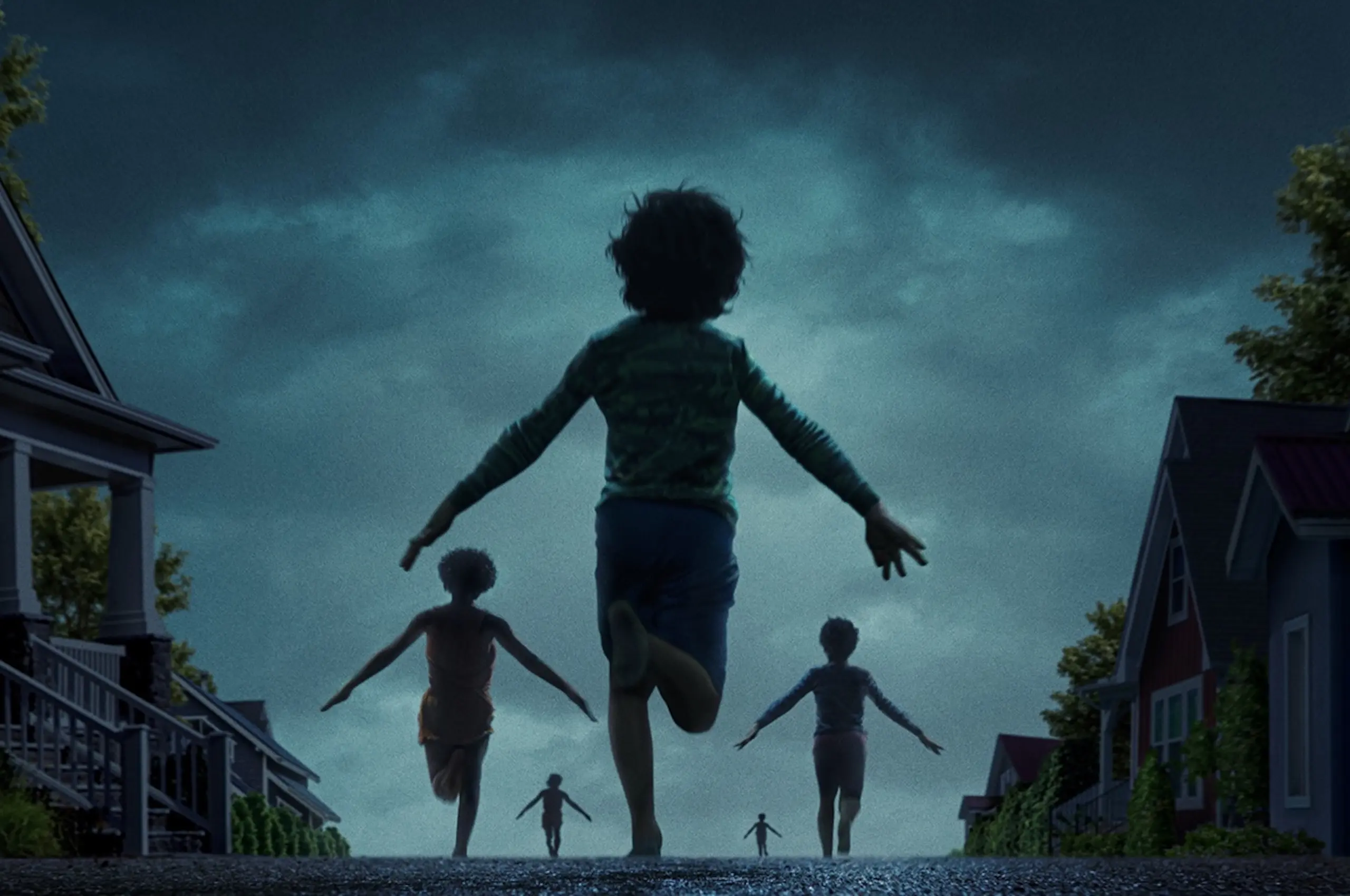
At the outset, you are entranced. Like a scary campfire story, a child’s voiceover explains the disappearance of a group of grade school children in a mid-size Pennsylvania town. One night, they alight from their beds simultaneously, leave their houses, and simply … disappear. All to George Harrison’s Beware of Darkness, a haunting, beautiful tune, pitch perfect to the moment, reminding you just how important good music is to a movie. It is one of the more impressive film openings I’ve seen.
As I mentioned in an earlier review, I suffered from night terrors as a child, which were, unsurprisingly, terrifying. But I also had spates of sleepwalking, and as I saw the children rise and go off into the night, it brought back the visceral feel I had of being that age and traipsing in bitter cold around the block, barefoot, impelled without any autonomy, until I simply drifted back in my house, or that of a neighbor, and went back to a bed, feet dirtied and maybe a bit bloodied, but otherwise not worse for wear.
The children here are worse for wear, and on that, I can say no more. But we learn their fates through an ingenious approach. Writer-director Zach Cregger (Barbarian) recapitulates the event through the lens of six people – the schoolteacher, a father of one of the children, the school principal, a town police officer, a homeless criminal/drug addict and the one child from the class who did not disappear, offering clues and different vantage points that enhance the story.
I was impressed by Barbarian, and as in that picture, Cregger captures the spooky qualities of the mundane. There, it was decrepit Detroit. Here, it is a hamlet in Pennsylvania, though it could be any town USA exurb. Without being showy, Cregger can make a convenience store, a non-descript alley or even gas station pumps vaguely threatening.
Cregger also has a way of writing like people speak. Stephen King film fare is generally situated in small town venues much like this, and almost always accompanied by dialogue so painfully obvious and hackneyed – be it from the town drunk or floozie or sadistic bully or chummy mayor – you shudder, not from fear, but embarrassment. Cregger is comfortable with the natural exchanges of colleagues, lovers, neighbors, and enemies. His dialogue between the principal and the teacher is an apt example, as he expresses his frustrations with and care for her, and she manipulates him all the same.
Nor has Cregger lost the sharp sense of humor from Barbarian, which is interwoven in the everyday patter of the characters. His final scene is a melange of unbridled terror and tension-cutting, roller coaster ride slapstick.
The performances are solid. Josh Brolin is moving as a bewildered father who yearns for his son and just can’t wrap his head around it. As the teacher, Julia Garner is unnerved yet refreshingly feisty, not just willing to lay down and be the town’s sacrificial lamb. She’s no angel either, a bit of an unlikeable pain in the ass, which adds heft to her persona. There is also a bravura turn from a near-unrecognizable Amy Madigan (kudos to me for sussing out that under quite heavy makeup, sure enough, that was Uncle Buck’s girlfriend, Chanise).
So, why the half point deduction?
I am not going to call the picture out on a Longlegs critique, a film that was all feel and little sense. Weapons does not strain credulity to the point of eye-rolling. For the most part, Cregger circles the squares, and he maintains such a taut, engrossing pace you don’t dwell on impracticalities. Nor is the town one where kids are disappearing on a regular basis, yet people keep populating it and settling down, as in King’s It. This is a one-time event.
That said, there is a glaring hole, and please stop here and return to read later if you intend to see the movie.
**SPOILERS”
It’s not just a few kids who go missing. It is 17, all from one classroom, in one night, at 2:17 a.m. When we arrive on the scene, the crime is still fresh, having occurred a mere month or two prior. While Cregger nods to a town in upset, as well as a comprehensive police investigation that, to date, has found nothing. this case would have been bigger than the Lindbergh kidnapping, and the den of the malefactor would have been torn to pieces in a New York minute. Even if nothing was found, the place would have been surveilled 24/7 by anyone from the feds to local p.d. to state police to investigators hired by the parents to the National Guard.
Cregger should have dropped the number to 3 or 4 kids, ala’ Picnic at Hanging Rock and extended the time period between the event and the resolution. A reward poster for a paltry $50,000, is a bad moment, but not as bad as when the weary police chief acts sympathetically but put out by Brolin’s badgering about the case.
Had Cregger set this film pre-internet, at a time of more rudimentary forensics and no Ring cameras, a lot of the film’s troubles are solved. But no one asked me.
Eh, ignore my kvetching. It’s a really great flick.
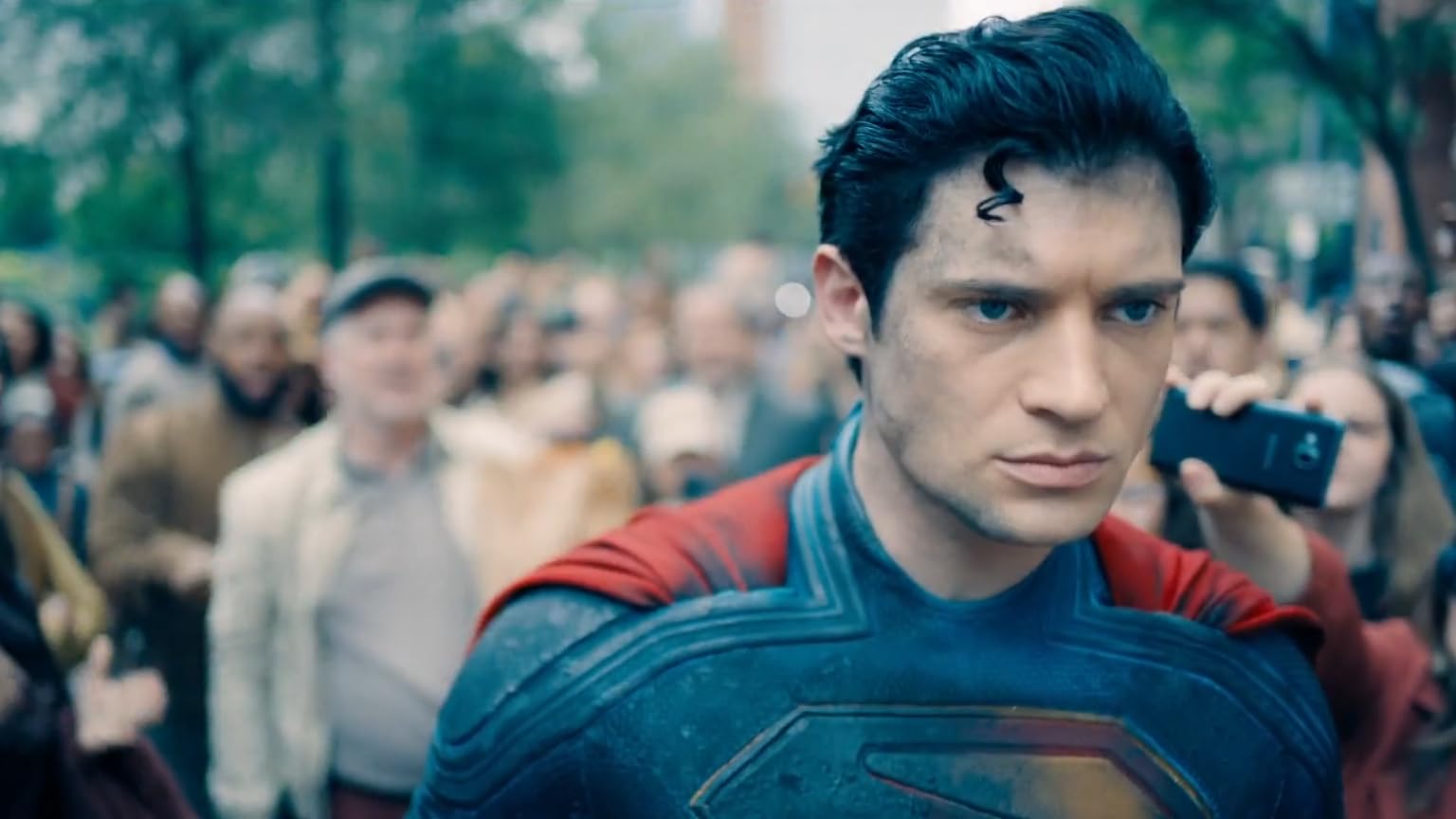
Great fun. The new Superman is nothing short of winning (his recent angst has been jettisoned for an earnestness that cannot even countenance the needless death of a squirrel); director James Gunn (the Guardians of the Galaxy movies) has no pretensions beyond that of making a smart summer popcorn flick; the villain, Nicholas Hoult, is both interesting and funny; Krypto the unruly super dog is a great bonus for the kids; and Lois Lane (Rachel Brosnahan) and Superman have real sexual chemistry. Ultimately, what I loved most about the film was that it was for kids but elevated enough that adults are also entertained, rather than some hideous transmogrification of a kid’s comic dirtied up, made noir, or otherwise infused with big serious themes, because a bunch of 41 year old fat asses sitting in their parents’ basement need to justify their childhood fetishes.
The nits are minor. A few characters get short shrift, a foray into something called a pocket galaxy is a bit long, and the last second introduction of an obnoxious Supergirl feels Something Wicked This Way Comes (next summer).
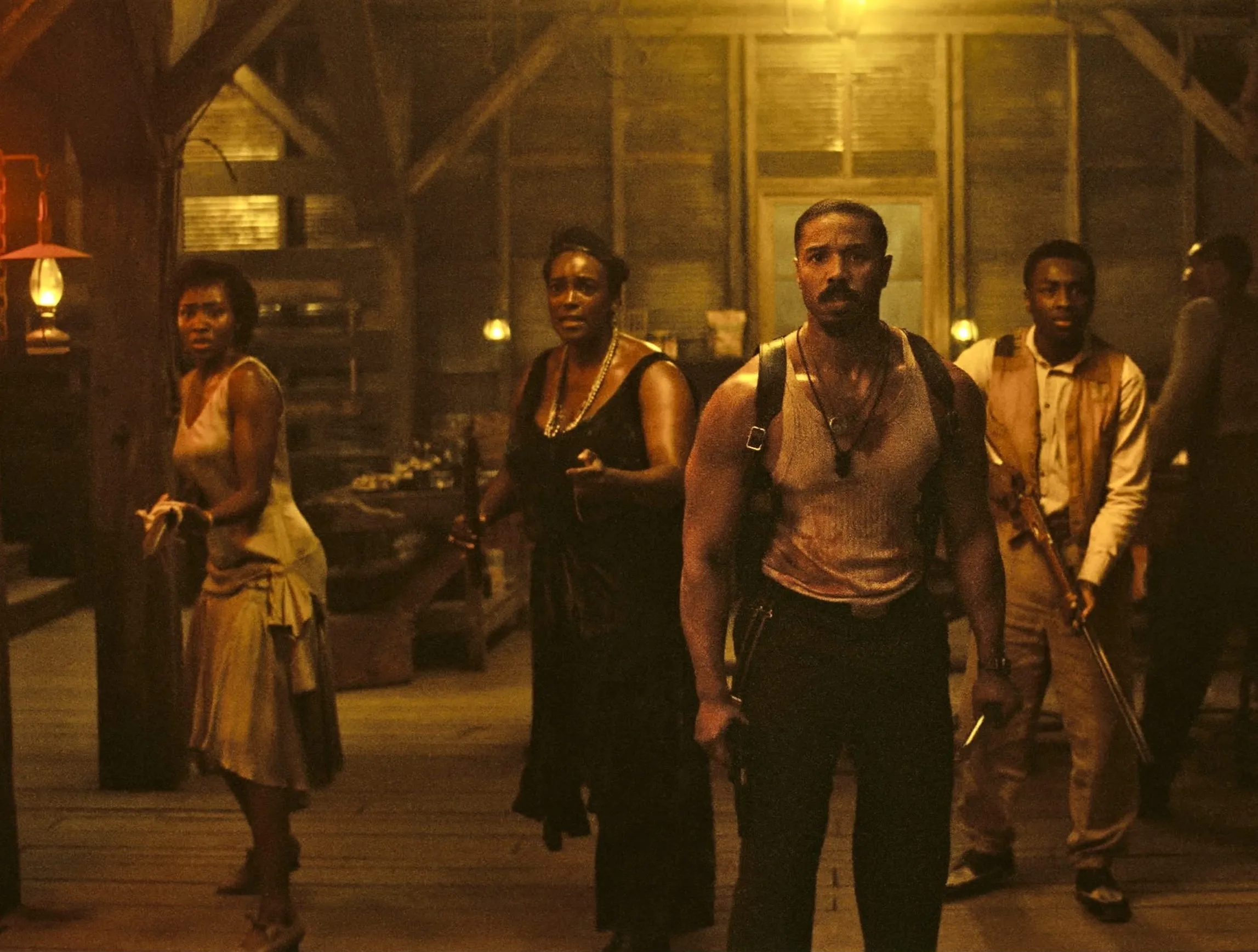
There is a lot going on here, much of which I can’t recount as it would spoil the fun. And oh, what fun. Ryan Coogler’s (Creed, Black Panther) movie is so lovingly textured and expertly paced, when it turns out to be a vampire flick (which is not exactly giving anything away), you’re surprised (it seemed in service of a weightier story) and then delighted (to hell with weighty, this is a blast!)
Coogler’s care pays off handsomely. The audience is primed for something big when he takes us to the final conflict . And though the picture could have devolved into a chaotic, silly comic bloodfest, ala’ the campy and tiring From Dusk ‘Til Dawn, Coogler maintains levity but the movie never winks at you or itself. Nor does it level off on the actual scares, which are enhanced by a truly creepy, deep Southern milieu.
There are great performances all around, with particular kudos to Michael B. Jordan, playing twin brothers with a keen sense of the sameness and personality divergence; Jack O’Connell as the cleverest of nightwalkers, so charming you are almost seduced; and Miles Caton, the man the devil went down to Georgia to find, an actor who sings so mellifluously you can understand why evil would be drawn in. Coogler also soaks the flick in sweaty, redolent sex, a natural heat and lust that feels almost quaint in these times of porn chic domination.
Finally, Coogler’s direction is bravura but not showy, and one particular musical montage is Boogie Nights pool scene worthy, dizzying and captivating.
One nit – the picture has 3 endings. One would have been perfect but too brave, two excellent. Three was a smidge tiring.
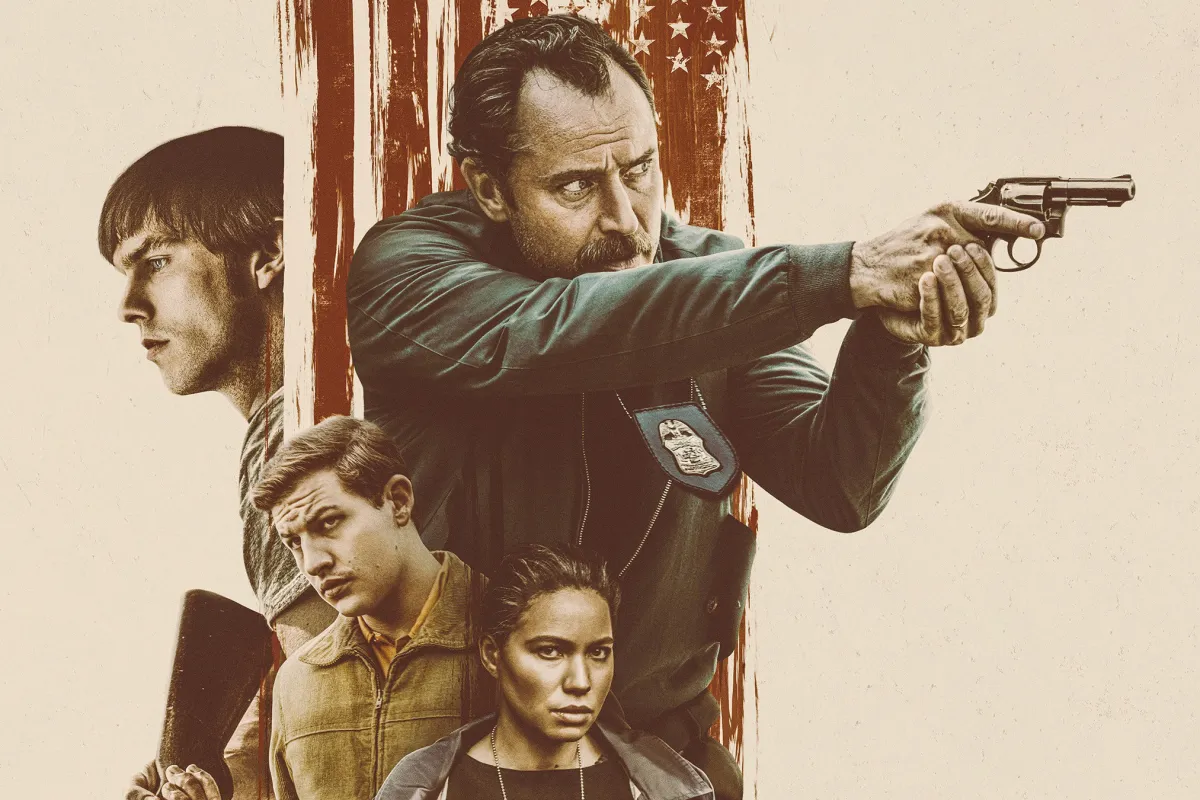
A straightforward procedural based on a true story, broke-down and ailing FBI agent Terry Husk (Jude Law, as unpretty as you’ll find him) arrives at his new desk in Idaho only to stumble upon the rise of The Order, an “action, not words” offshoot of The Aryan Nations in the early 1980s. The Order is led by the charismatic Bob Matthews (Nicholas Hoult), who guides it from counterfeiting to bank robbery to assassination to planned insurrection. As Matthews rises, Husk and the Feds close in, amidst a backdrop of the majestic and haunting Pacific Northwest.
There is nothing new here save for restraint, but restraint is in awful short supply these days. The pace is taut, the acting largely superb, and the photography memorable. In the hands of a lesser director or writer, the temptation to weigh in on the philosophy of The Order, and to jam it into whatever current bugaboo is in fashion, would be too much to resist. Here, writer Zach Baylin shows you what The Order believes and how, attenuated or not, those beliefs are connected to their criminal endeavors. To Law, who we learn has worked undercover on cases from The Klan to The Mob, the “the” doesn’t really matter. They’re all the same. And that keeps the story from stalling on the anticipated wordy handwringing that you expect.
As one article observed, “Ultimately, the hope of slipping an unsparing portrayal of domestic extremism—produced outside of the Hollywood studio system—into the December award season is to reintroduce a discussion of radicalization to American society. ‘If you don’t learn from history, you’re doomed to repeat it—how a guy that, in the way Nick depicted him, could live down anybody’s street,’ says Haas. ‘There are lots of people right now who are hurting and struggling and looking for answers.'”
Thankfully, this kind of easy, didactic tripe is little found in the actual picture.
We also aren’t loaded down with Law’s past. There is a medical issue and familial distress, but Baylin explains just enough to give you a sense as to their effect on Law’s nature and psyche. Husk is not out here for redemption or revenge. Even his obligatory “Let me tell you about this one horrible thing” speech is muted, his explanation almost perfunctory. Much like the father of one of the young men who joined The Order, a man who resignedly tells Husk, basically, “you do the best you can with your kids, but it’s a crapshoot.”
The film could have used a little more exposition (particularly with the doomed local deputy, Tye Sheridan), the tough gal FBI supervisor (Jurnee Smollett) is hackneyed even with the gender change, and maybe there should have been one more turn before reaching resolution.
But otherwise, very solid, entertaining crime flick. Reminded me of the equally impressive Under The Banner of Heaven.
The writers of A Quiet Place (Scott Beck, Bryan Woods) got their own flick, and they delivered.
Two Mormon sisters (Sophie Thatcher and Chloe East) on their door-to-door proselytizing tour come to the wrong house, where Hugh Grant engages them on a religious and philosophical level, entraps them intellectually and physically, and then, puts them to the test of faith. Or at least his own perverse version of same.
His house is set up like a religious Chutes and Ladders, with wrong and right doors, hidden coves, timed locks, and, obviously, more horrifying surprises.
The writers make you love these girls, earnest believers but not dolts, so you hope for the best. But dammit, their tormentor is so witty and interesting, you feel guilty for wanting the mental duel to continue.
Literate, suspenseful, darkly funny, and ultimately, perhaps overly-reliant on Grant’s cheeky, playful and charismatic performance. But oh, what a turn!
A taste.
Eventually, the mental gymnastics must give way to violence (I was hoping Grant would say, “Okay, joke is over! Goodbye, girls!”) but of course, that just wouldn’t do. The film falters just a bit at the bloody end, but [spoiler, sort of – it has a faith-based final act worthy of The Exorcist, and as Grant has been kicking these girls about for most of the movie, Huzzah!].
Great, wondrous fun, a spectacle that exceeds its promise.
Ariana Grande (Glinda the Good) and Cynthia Erivo (Elphaba the Wicked) are young schoolmates in the land of the Emerald City (at a brighter, more colorful Hogwarts), immediately antagonistic, then fast friends, and we see them as they begin their journey to Elphaba’s ultimate end (“I’m melting!”). History, as they say, is written by the winners, and now, we have the real story, to song.
Both actors are splendid, mastering very difficult vocals while establishing strong chemistry and exhibiting astute comic timing. Director Jon Chu (Crazy Rich Asians) moves the film at a dizzying pace but keeps space for the tender moments. And while I always felt the Broadway musical was marred slightly by a few uneven or underwhelming numbers, as committed to screen, “Dancing Through Life” is majestically choreographed and “I’m Not That Girl” subtly moving.
A few issues. First, there is an underdeveloped subplot of official antipathy to animals, who were once contributors to Emerald society but are now being shunned and caged. Not that this is a political potboiler, but the issue is presented perfunctorily as a fait accompli. Given that the matter is the breaking moment between the Wicked Witch and the Wizard (underplayed in a disinterested, almost blase’ manner by Jeff Goldblum), there needed to be more, and it could have been provided in the existing framework.
Similarly, when the girls get to Oz to meet the Wizard, there is an expository number to provide the basis for the rise of the Wizard and the source of his power. The number allows for the return of the Broadway originals Idina Menzel and Kristin Chenoweth, but it is clunky and not really all that explanatory. I needed my daughter to explain to me what the hell was going on.
For a music bio, you can max-mythologize a dolt and maybe no one will notice the subject is super boring. SeeThe Doors. Elvis. Bohemian Rhapsody.
Or you can play it straight and overarching, maybe puncture the myth in parts, but ultimately, tell a big, soup-to-nuts, rags to riches story rather than create more ornament for the church. SeeRay. Straight Outta’ Compton. La Bamba.
But when you add kick-ass performances from people who can really sing, and a thoughtful, tight script, then I’m in. SeeThe Buddy Holly Story. Coal Miner’s Daughter. Walk the Line.
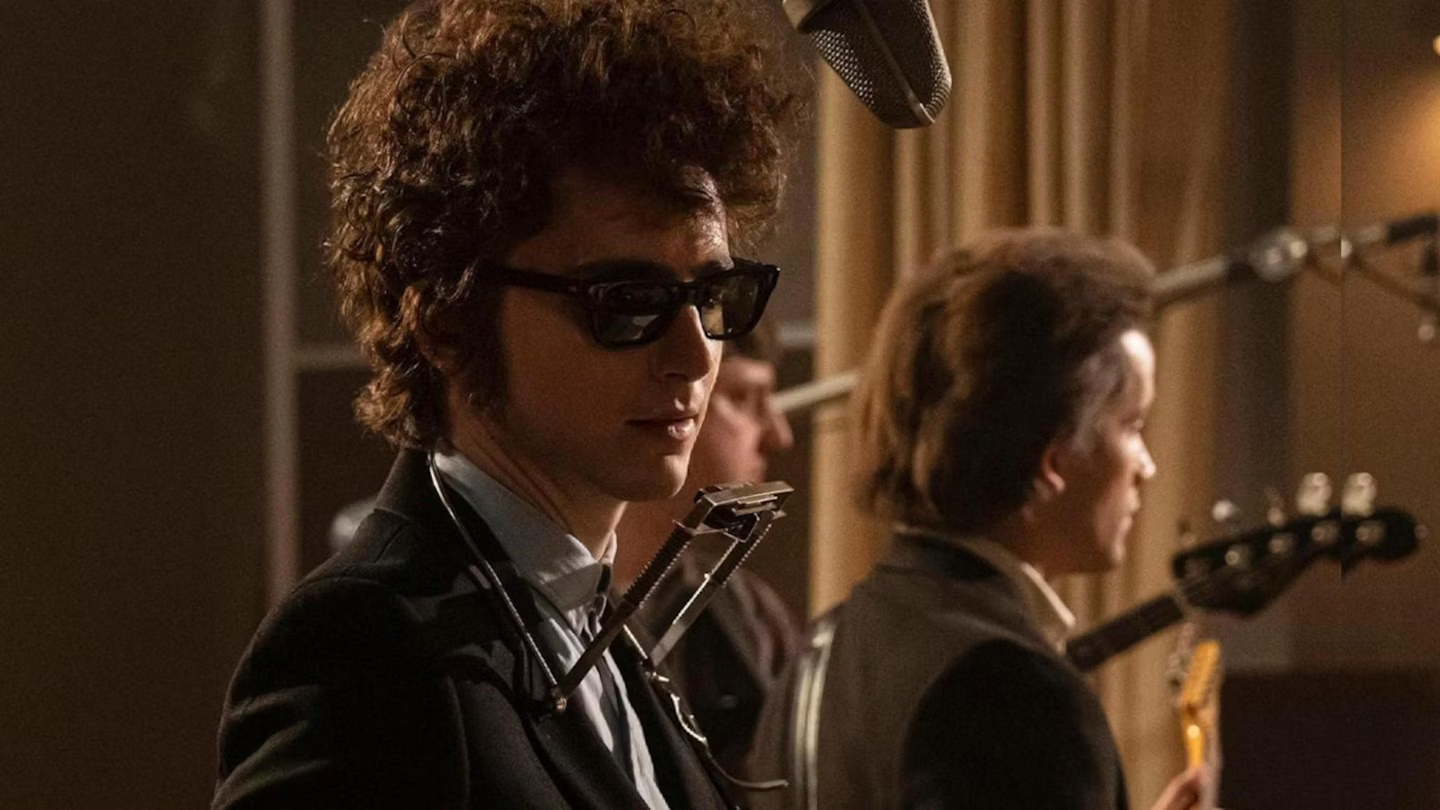
Luckily for Bob Dylan, the director of the latter, James Mangold, took this picture on.
We meet Dylan as he is deposited in NYC to meet his idol, Woody Guthrie (Scoot McNairy) who, robbed of his voice, is tended to in a New Jersey hospital by Pete Seeger (Edward Norton). Seeger and Guthrie see greatness, Seeger takes Dylan under his wing and we are off to the races, from aspiring folkie in 1961 to superstar in 1965, as Dylan weighs the dilemma of a lifetime:
Willeth I go electric?
“Will he go electric?” is actually a big deal in Dylan’s world, one fleshed out by Mangold and screenwriter Jay Cocks (Silence, Gangs of New York), as the genesis and essence of the folk milieu is revealed to us.
Of course, we want electric, but Cocks makes us understand the instincts of the standard bearers. They are curmudgeons, maybe, but they are earnest. The folk movement is something they built, sure, a lot of it on Dylan’s back, but their protective nature is not ridiculed. Quite the opposite. Cocks gives Seeger a great speech wherein he urges Dylan to stay acoustic in the service of a larger musical aim.
Still, the film doesn’t make the tug larger than that, and Dylan’s switch does not stand in ostentatiously for “bigger” themes.
Similarly, the pressure of going from lauded unknown folkie to superstar is not treated as an excuse for bad behavior or a major unfairness. It’s an annoyance that informs Dylan’s desires, and while we get the pressure he is under, as played by Chalamet, Dylan is made kind of dick because of it, equal parts sympathetic and petulant.
Mangold also has fun with the times. The look is spot-on, particularly of early 60s Greenwich Village, and we get the fun interdiction of Johnny Cash (Boyd Holbrook), a Dylan supporter and pen pal. And Al Kooper just jumping in a studio to hit the organ for the start of “Like A Rolling Stone” because he could not play guitar on the track?
Goosebumps.
Ultimately, as with Walk the Line, the music is the star. Chalamet sinks smartly into the role, traversing the road from wise but sweet neophyte to badgered superstar, but he sings great and quite a lot. All the performances crackle but he really nails it.
Mangold also does a great job with Dylan and his first girlfriend (they have an exchange about the plate-spinners on variety shows that is touchingly smart and Elle Fanning really resonates as the gal who took Dylan in only to see him grow beyond her attentions).
The Joan Baez relationship is more ragged. She just seems like a bitch, angry that Dylan criticized her songwriting (“’Sunsets and seagulls.’ ‘The smell of buttercups…’ Your songs are like an oil painting at the dentist’s office”). Mind you, that would piss most anyone off, but they continue as a couple with no discernible attraction, and the why seems thin.
A minor nit. Great fun, moving, and impressive. Top 5 of 2024.
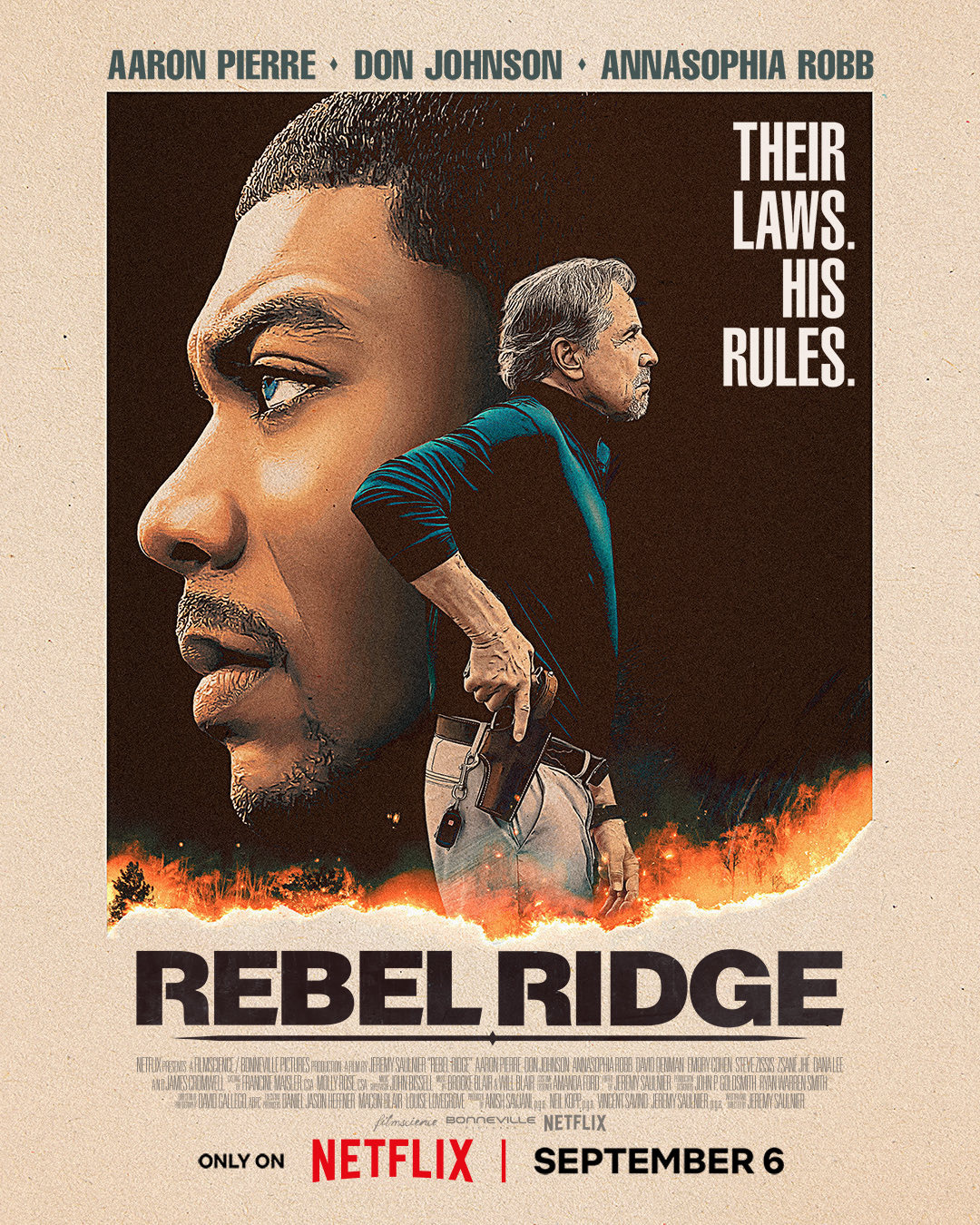
Writer-director Jeremy Saulnier’s Blue Ruin, an earthy, dark meditation on the messy and corroding influence of family blood oath and violence in rural Virginia, was such an assured debut, I was blown away. He followed up with the canny, creepy Green Room – where a band gets the worst gig ever playing for skinheads in the Upper Northwest – a commercial failure, perhaps because it was such a grounded horror film. No unstoppable evil or chop-licking psychos, just nasty, human, unregulated criminals with Swastikas and 12 packs who dig punk rock and live in the deep, deep woods.
Rebel Ridge again showcases the director’s dead-on familiarity with small town America. No Chevy Truck “backbone of the USA” schmaltz or easy tropes of the rural downtrodden being done in by “the man’s system.” Saulnier understands that most people are in some form or fashion paid by “the man’s system” and that system is what keeps mortgages current, power boats afloat, and Carnival cruises filled. In the small Southern hamlet that is our setting, graft, skimming, and railroading drifters end up just being part of the fabric, the next logical step for a speed trap town.
What follows is a gripping, subtle melange of liberal fear of cops and conservative “power of the deep state” fear of the government, good old fashioned small town Walking Tall corruption via asset forfeiture and … Rambo: First Blood.
No preening, no speeches, a lot of surprises, and a boffo, visceral, satisfying revenge fantasy ending, powered by Aaron Pierce’s reserved, steely leading turn.
In spots, a bit ragged for Saulnier, and there is an underdeveloped relationship between Pierce and a plucky court clerk (AnnaSophia Robb), but those are nits.




 filmvetter