Archive

Action/Disaster

image

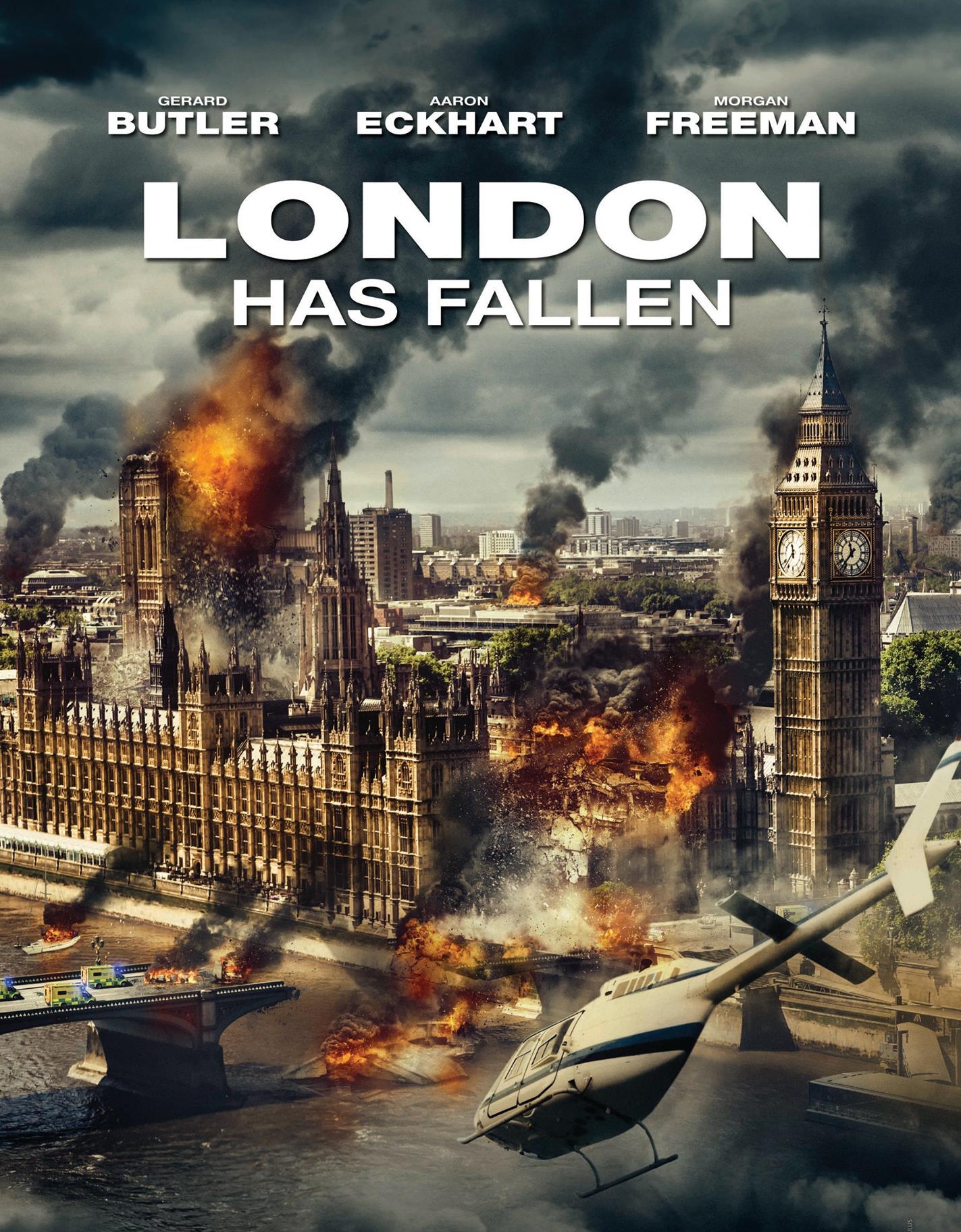
With the weather becoming depressingly cold, on Friday night, my wife and I decided to stay in, order Chinese, and watch something mindless. We could not have asked for a better choice than this picture. The backstory takes about six minutes. We, the United States, bomb the wrong Middle Eastern family, who, for matters of what I presumed to be political correctness, are not radical jihadists, but rather, generic arms dealers who sow misery and discord wherever and whenever they can. Our chickens come home to roost several years later, when the family unleashes their long planned assault – a decapitation of world leadership at the state funeral for a British prime minister in London. Our own president (Aaron Eckhart) and his Secret Service superman (Gerard Butler) are trapped in the besieged capital, and it is up to Butler to extract the president in the face of what appears to be hundreds of bad guys.

Whatever concerns I had about excessive political correctness were quickly dashed by the character of Butler. In one instance, just before killing a bad guy, he screams at him “go back to Fuckheadistan.” In another instance, he tortures the brother of the primary bad guy, while the primary bad guy listens in via cell phone. After shoving his knife in the brother’s  stomach several times with a cruel twist, the president says to him “was that really necessary?” Butler responds “no.”

When Butler delivers the final coup, he prefaces it with a speech that is jingoistic, excessive, and hilariously satisfying.

“You know what you assholes don’t get? We’re not a fucking building! We’re not a fucking flag! We’re not just one man! Assholes like you have been trying to kill us for a long fucking time. But you know what? A thousand years from now, we’ll still fucking be here!”

Hoorah!!!

Yes, it is stupid, but it is also an exciting, well executed escape flick, with a lot of ingenious stunts, a cool re-creation of the destruction of London, and little attempt at what would otherwise be a cardboard and time-wasting story.

Image result for Deadpool

It’s hard to decide on what was more enjoyable about Deadpool. There’s the ingenious flash-forward, flashback in story, which keeps the action fresh. There is also an intelligent self-referential trick; as Deadpool (Ryan Reynolds) is dragged to the estate of the X-Men, he asks “ “So, McAvoy or Stewart?”.  The back-and-forth between Reynolds – our hero, though he insists he is not – and the other characters is sharp and profane. The utter lack of seriousness, save for a very few poignant moments that are immediately deflated by the screenwriting equivalent of fart noises – is also a joy (indeed, Reynolds actually farts as he walks by his roommate, who, unbelievably, is a geriatric blind woman). There’s the 106 minute running time, juxtaposed nicely with the bloated, Shoah-like length of the interminable Avenger movies, which keeps things humming.

But I guess my favorite part is when Reynolds meets his love interest (Morena Baccarin) and we are educated as to the depth of their ardor via a montage of their incredibly kinky sex life, which incorporates days of commemoration. The image of Reynolds bound and on all fours as Baccarin prepares to “celebrate” International Women’s Day with him is hilarious, made more so by the image of parents quickly hustling their children out of a theater they lazily thought was showing children’s fare

image

(Reporting from the blizzard of ’16)

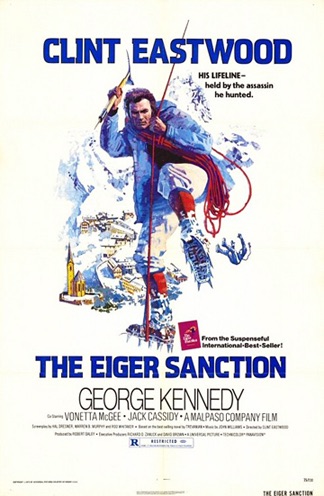
My childhood memories of kick-ass Clint Eastwood are vivid. I think I was first mesmerized by him as the cool, sardonic killer in the World War II drama Where Eagles Dare, and after that, as Dirty Harry Callahan, a cops’ cop, rejecting Miranda and spitting in the eye of pencil-pushing bureaucrats who were the real menace to San Francisco. Somehow, I missed the westerns, catching them in the 80s.

The Eiger Sanction was on the Channel 7 daily movie rotation, and I’m sure I saw it several times. It’s a testament to the sway of Eastwood that I did, because I watched it today, and the impact was decidedly different. Eastwood directed (his fourth feature) and let’s just say he wasn’t at peak form. Very pedestrian, and hum drum, it tells the story or an art professor (Eastwood) who is actually a retired assassin for the government. He is summoned by his former boss, a straight-out-of-early-Bond albino with a Germanic voice who will die if the sun touches him, and cajoled into taking on a contract, an unknown member of a party he is to join attempting to scale the north face of the Eiger mountain. Eastwood’s clue as to the man’s identity? The man has a limp.

The mountain climbing sequences are the best thing about the film. Eastwood performed many of his own stunts, and, certifying the danger, a stunt climber was killed in the filming. But this is a dated flick, not only in its blocky, unimaginative feel, but in its dialogue.  For example, the bizarre line Eastwood gives to a stewardess he is seducing: “You never know. Sometimes people do things…they thought they’d never do again. (pause). Like rape, for instance. I thought I’d given up rape, but I’ve changed my mind.”  And then they kiss and make love by the fire.

This is the second film Eastwood got after Paul Newman passed.  Newman was wrong about Dirty Harry but not this one.

image

(Reporting from the blizzard of ’16)

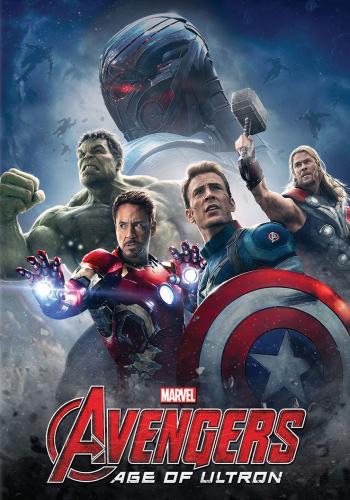
Oof. The first scene demonstrates everything wrong about the movie. Forced patter straight out of How I Met Your Mother, nauseating CGI, dozens of violent acts but no deaths, and not for a minute do you sense that any of the Avengers, outnumbered as they are, are in the slightest bit of danger. Good for kids; good for a parent or adult with a kid who needs a nap; soul-rotting juvenilia for anyone else.

Best part. A friend of Captain America asking if he’s found a place to live in Brooklyn yet and Captain America responding that he doesn’t think he can afford it.  Because what’s missing from these films is the Avengers at a cocktail party.

Full disclosure: turned off at the halfway point.


image

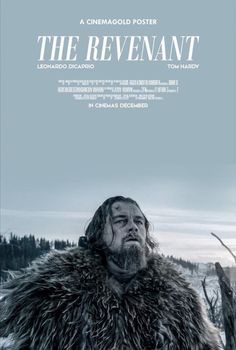
Like Birdman before it, there are scenes in this movie so visually audacious, I gasped. But where that picture hit you like a ton of bricks based on the cumulative effect of its dizzying pace and construction in the close confines of a Broadway theater, Alejandro Inarritu’s The Revenant – which is essentially a lone survivor/revenge flick, with a little spiritual mumbo jumbo thrown in for good measure – presents dazzling set pieces interspersed with awesome portraits of the vastness of nature. The year is 1823, and Leonardo DiCaprio is a guide for a fur trapping expedition in South Dakota beset by a brutal Indian attack, and in escorting the survivors back to the safety of their fort, he is viciously mauled by a bear, a scene so expertly rendered I could not believe it had not happened, yet, of course it had not. DiCaprio seems a committed actor, but no one is that zealous.

After the attack, DiCaprio has many more hurdles before him, including a suspicious and dangerous member of the surviving group (Tom Hardy, channeling Tom Berenger in Platoon, a compliment) and pretty much every calamity the brutal world of the wilderness can provide.  DiCaprio has little to say, but he brings all the physicality he mustered in The Wolf of Wall Street, only this time, during his infirmity, he exudes animalistic fury instead of stoned near-paralysis.

This is one of the most thrilling, visually stunning films I’ve ever seen. Inarritu used natural light and subjected the actors to enormous rigors (some say, “a living hell“).  Like George Miller in Mad Max: Fury Road, Inarritu dispensed with CGI, remarking, “If we ended up in greenscreen with coffee and everybody having a good time, everybody will be happy, but most likely the film would be a piece of shit … When you see the film, you will see the scale of it, and you will say, ‘Wow.'”

Wow indeed.  It all pays off in making the picture visceral, authentic and epic.  My only nits are a bit of anachronistic, stale “you have stolen everything from us” dialogue from the primary Indian and one depiction too many of DiCaprio hallucinating his Pawnee wife welcoming him to death ala’ Russell Crowe in Gladiator. But these are very minor criticisms. This is a great film and certainly one of the best of the year.

 image

I’m not a big fan of the super hero flicks, and now that they are mixing and matching and packaging ad infinitum, I’m even less enamored.   For the most part, they are CGI Dramamine, and in the wrong hands (like those of Zach Snyder), they add a seriousness that is self-parody (the preview for the new Superman v. Batman, or whatever the heck it is called, is so dour you almost brighten up when Wonder Woman is inexplicably thrown in the mix).

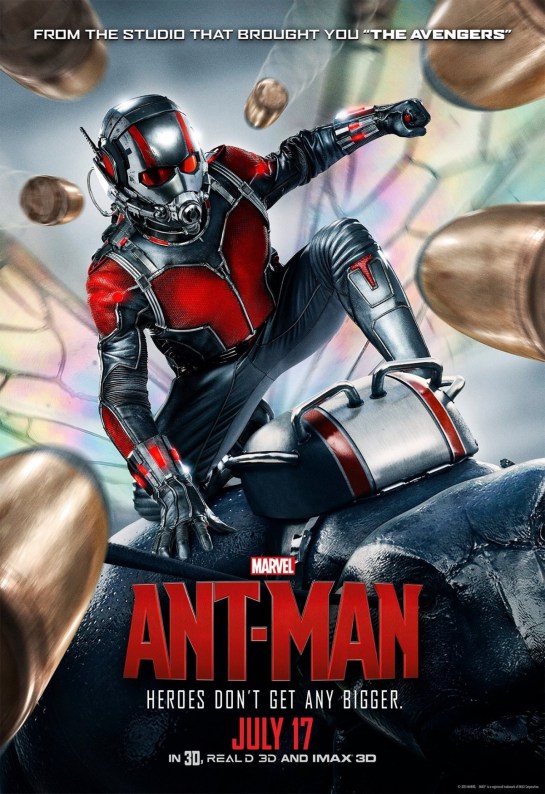
And yes, they are going to pigeonhole Ant Man (Paul Rudd) into the franchise, which will mean we have another wiseacre to compete with Tony Stark, but still . . . I liked this movie very much.  Rudd is charming as an ex-Robin Hood con who is used by Michael Douglas to get miniaturizing technology out of the hands of his evil protégé (Corey Stoll) and the CGI for the transformation is both nifty and ladled out sparingly.  Ant Man seems a nice fella’, as if you dropped an Apatow character into a super hero guise, and he’s aided by a hilarious trio of bumblers, one of whom (Michael Pena) made me laugh out loud repeatedly.

image

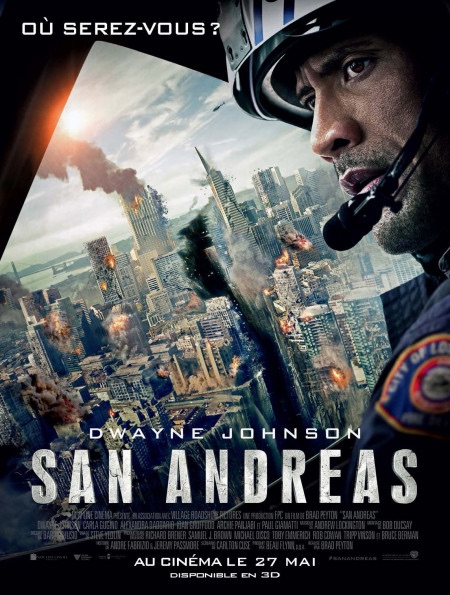
I have an affinity for “the world is ending” movies. None of them are very good and they follow the same model, be it Earthquake, The Day After Tomorrow, Independence Day, Armageddon, 2012, Godzilla and now, San Andreas.  Disaster strikes, the warnings of smart, nebbishes notwithstanding. Heroes arise, but family comes first, so Charlton Heston, Dennis Quaid, Randy Quaid, Bruce Willis, John Cusack, Aaron Taylor, and The Rock brave the catastrophe to find and/or save their loved ones. It is in these ordeals that frayed relationships are cemented, so much so that often, new and old spouses have to be dispatched. The children are always saved and mankind perseveres. But their surroundings are ravaged. And as they witness the destruction, they say “oh my God” (twice in San Andreas).  Just like Leslie Neilsen in The Poseidon Adventure. Well, not exactly. No one says “oh my God” like Neilsen playing it straight.

It’s the ravaging I love most. The cyclones of The Day After Tomorrow thrillingly rip Los Angeles apart, the same city where those moony hippies with their “we love you, aliens” signs get satisfyingly incinerated and Genevieve Bujold’s house on stilts slides into the canyon below. Godzilla quickly stomped Honolulu and Vegas and nearly took down the Golden Gate Bridge, which – in one of the few cool moments – does not survive San Andreas. Armageddon disappoints for any number of reasons, but foremost is the fact that Willis, Affleck and company save the day. That’s no fun and its best moment is when the pre-meteors obliterate Paris.

Same story, same devastation here, but somehow, San Andreas is worse than the others. It’s as if The Rock decided to use this film as his first true test playing sorrow, and boy is that uncomfortable. So uncomfortable that Carla Gugino, playing his wife, appears to be averting her eyes. While The Rock, recalling the pain of losing their daughter white water rafting, tries to squirt a few out, Gugino plays it rather lightly, as if to say, “hey, The Rock, this is just filler until the next shot of a building collapsing. Don’t be so glum.”

And here we are in San Francisco, but for the most part, the stuff we know is left alone. Instead, most of what gets shredded are office buildings, one of which is not even a real building. Give me Coit Tower! Give me some careening cable cars! Give me Alcatraz or at least the Transamerica Pyramid! Nope. Just nondescript skyscrapers falling listlessly into each other.

Finally, the movie has no sense of humor. None. Not an aside, or an inside joke, or even the thrill of watching something cool, like Paris obliterated. It’s dead straight, serious as a heart attack, except when The Rock and Gugino sky dive into second base at AT&T Field and he says, “it’s been a long time since I got to second base with you.” And then you appreciate the film’s dull seriousness.

A final note. The daughter who The Rock and Gugino cover hill and dale to save (Alexandra Daddario, who played Woody Harrelson’s impossibly beautiful mistress in the first season of True Detective) is so buxom and model-like that it feels exploitative. Yes, parents have daughters that grow up to be busty bombshells, but the first time we meet her, she’s splayed out on a chaisse lounge by the pool, Kardashian-like, and you kind of want her to die. Of course, she doesn’t.

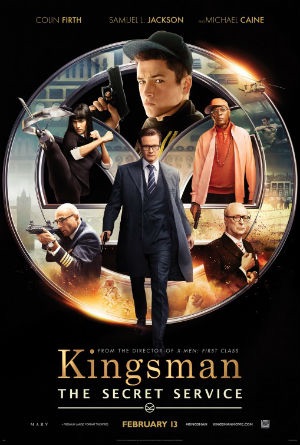
image This is a Roger Moore-era Bond flick, but with cheeky self-referential humor, first-rate, modern action sequences and a decidedly South Park sensibility. It features a budding, young James Bond from the wrong side of the tracks (Taron Egerton), his sophisticated mentor (Colin Firth), a megalomaniac, quirky villain (Samuel L. Jackson, with a lisp), his own Odd Job (Sofia Boutella, who slices you with her scythe legs instead of a hat) and a plan to destroy the world to save it from the menace that is man, much like Drax in Moonraker and Stromberg in The Spy Who Loved Me.

Spoilers follow. There’s no way to do the film justice without talking about the plot.

Jackson, a zillionaire, has decided, like his Bond forebears, that man is a virus. So, he enlists the upper reaches of society – prime ministers, royalty, heads of state (including President Obama) and the rich and powerful – to let him loose a transmitting signal that will make man kill man. And thus, the world will be saved from the global warming man has created through immediate, violent, hand-to-hand near self-extinction. Again, Jackson “enlists” the upper crust. But to ensure they stay the course, he implants a chip in all their necks so, if they do decide to balk, he can blow their heads up. But they don’t balk. The world’s leadership is mostly in on the gig.  They willingly and without reservation sign on to the plan that will have mankind wipe itself out, except for the rich and powerful.

This is a delightful, wildly politically incorrect “eat the rich” comic book, which just amps up the absurdity.  The Kingsmen not only thwart Jackson’s design, but we get to see it tested out on Westboro Baptist Church-types,  who dispatch each other out with gusto in a raucous church melee. Then, a Kingsman activates the implants, so we see the heads of state and the rest of their aristocratic collaborators, blow up.

Some world leaders do not collaborate, and they are jailed.  One is a beautiful Swedish princess, blonde and resolute, and when Egerton shows up to save her, as with Bond before, she offers him a kiss and more if he will free her and kill Jackson.  And if he saves the world?  His prize is enhanced.

That’s a couple of extra stars right there.

Jurassic World (2015) - IMDb

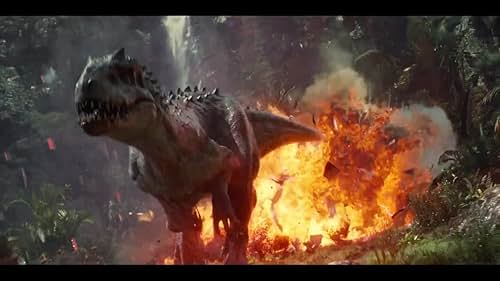
Very much in the vein of Godzilla, Jurassic World is just gripping and exciting enough, you almost look past its flaws.

Almost.

The script is cobbled-together from the Spielberg factory and is largely a knock-off. We come to the park with kids scarred by impending divorce bond (two, like in the first movie) where they are met by their aunt, a park executive, who has no parenting instincts (ala’ Sam Neill, in the first movie).  There is also a bad guy who wants to use velociraptors for, you guessed it, military purposes, and plenty of discussions about the ethics of all of this (much less impressive coming from the likes of B.D Wong and Chris Pratt, as opposed to Sir Richard Attenborough and Jeff Goldblum). And our heroes live because the dinosaurs fight amongst themselves (again, as in the first movie).

Speaking of Pratt, he’s in a bit of bind here. Pratt’s wheelhouse is a certain goofy but childishly masculine charm, best represented in Guardians of the Galaxy and Moneyball (as the confused, boyish catcher-turned-first-baseman). Here, when Pratt flashes that charm – mainly in banter with the aunt, Bryce Dallas Howard – he’s fun to watch. But Pratt also tries to play it straight, and he simply lacks the gravitas to do so.  A fair comparator is Bruce Willis, who went from the light comedy of TV and Moonlighting to the sarcastic aside of John McClane in the Die Hard flicks to a plausible straight hero. But Willis started late and had the rough look of an older man, coupled with a menace he could draw upon. Pratt ain’t there yet and it’s hard to tell when he is being serious or joking. 

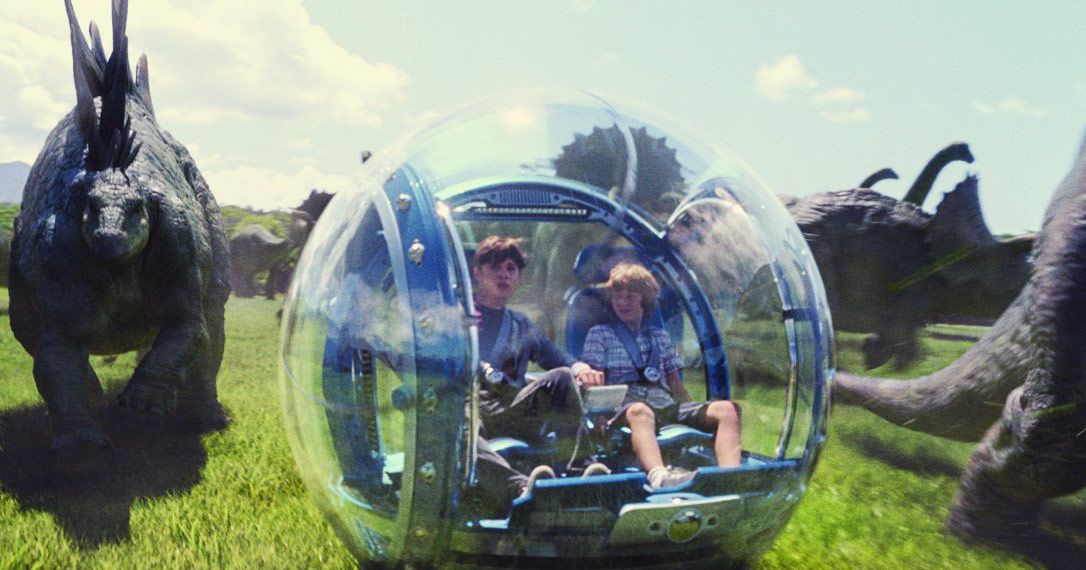
There’s also a fair amount of lazy plotting.  It is never adequately explained why certain features of the new, terrifying animal – Indominus Rex – were allowed to manifest themselves in the creature (such as its ability to think like George Patton) without also injecting a kill switch.  Also, the response of the park staff is less professional than what you might get on a windy day at Busch Gardens, and if Busch Gardens keeps you on a metal track for the Old Time Antique Car Ride, there is no way a park would allow its patrons to self-navigate dinosaurs in one of these:

A Broker Explains How a Real-Life Jurassic World Would Get Insurance  Coverage

Still, this is an easy and fun movie which, at last count, has made enough dough to bail out Greece.  

This is a really fine action film, all the more impressive for its lack of CGI and enhanced by an intricate dystopian vision and some very bizarre, very cool, hard comic-book baddies.  The plot is elemental.  The world has gone to shit, and barbaric fiefdoms and clans reliant on gasoline have arisen from the ashes. Furiosa (Charlize Theron), a trusted lieutenant and gas runner of the chief bad guy, Immortan Joe (Hugh Keays-Byrne), takes something very precious from him and in the process, is assisted by Mad Max (Tom Hardy) and a fundamentalist acolyte of the heavy (Nicholas Hoult) who turns from the dark side.  So, they are chased, and then, they double back through the dusty hell that is the future, and threaten all Immortan Joe possesses.

There isn’t much beyond action here, but it is inventive and exciting.  Hardy and Theron are taciturn, eschewing even Eastwoodian comic understatement.  They leave it to Hoult to provide most of the pathos, and he is an endearing motorized jihadist.  Thankfully, the movie does not really try to communicate how the world came to be so barren and unforgiving, a blessing, because there is nothing quite so annoying in today’s dystopian films than the inevitable philosophical discussions masquerading as backstory, where we learn how we pissed it all away, and why the sufferers must keep suffering (see Snowpiercer, Elysium, In Time).