Archive

Tag Archives: movies

Imagine Gladiator, a fun, glorious, bloody romp. Now, forget about that film. It will only make things worse.

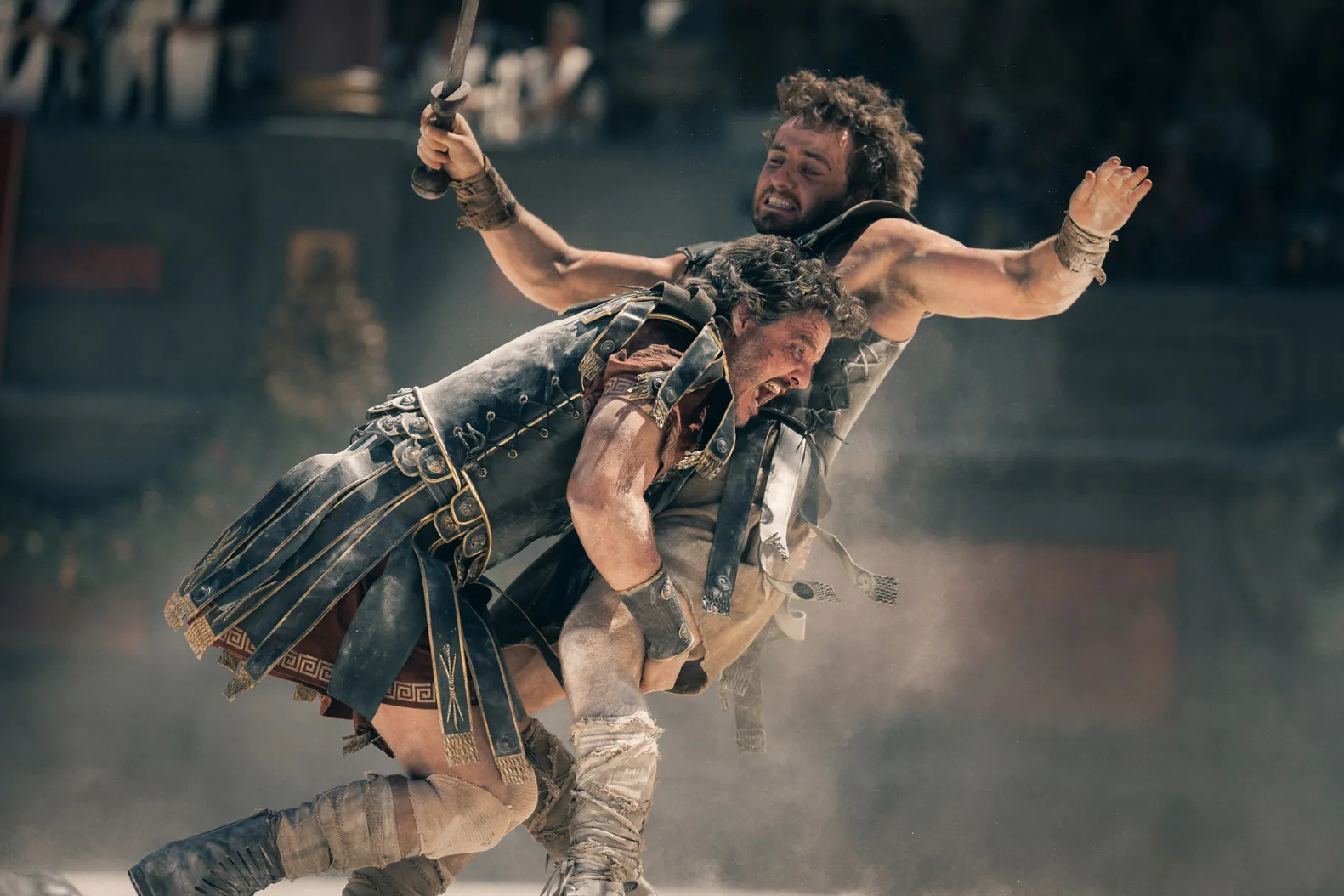
Here, the lead is not the captivating Russell Crowe but rather, the much younger Paul Mescal. Mescal has none of Crowe’s gravitas. He is not a Roman general, weary of war and politics, who just wants to go home to his wife and children. Instead, he’s a happy agrarian bean-picker, kissy-facing with his wife, when a new Roman general (Pedro Pascal) threatens their idyllic, multi-cultural commune in Africa. Mescal and wife strap on their gear and fight side-by-side. Pascal wins. The wife dies. And now, Mescal is a slave, soon to be gladiator, bent on revenge.

So, the same picture, but worse in all respects.

Every smart line in the original is replaced with “up with people” pablum and a dull dispute as to whether there is a “glory of Rome” or a “glory to the idea of Rome”, and every minor character who exuded their own agency and flair in the first film is replaced by cookie cutter figures infused with a boring wisdom that anachronistically presents as spiritually worldly.

While Gladiator II provides more combat than the original, it is juiced with unconvincing CGI monkeys, a big ass rhinoceros, and sharks. Even the hand-to-hand combat seems obligatory. You don’t care and no amount of spraying blood, gutting, and decapitation can involve you.

Our protagonist, Mescal, is supposed to be filled with “rage” but, at his most engaged, seems ironic and perhaps annoyed. The romanticism of the first picture was fueled in no small part by Crowe’s seething hatred at the needless and cruel slaughter of his family. Here, you think, “Maybe Mescal wasn’t so into his wife.”

There is little you don’t see coming. Mescal is the biggest non-mystery man ever and when the film finally gets to someone who can generate interest – gladiator merchant Denzel Washington – his grand plan and motive hit too late and quickly, right when you are nodding off. Washington, however, is at least having fun. Everyone else seems to be in mid-root canal.

And no one seems Roman here. The machinations are more on-the-fly than crafted, the concern for the people preposterous, and the finale – where two armies unite with “Huzzahs!” after an unconvincing “aren’t you sick of death?” speech by Mescal – has the feel of the old Coke ad where everyone wished they could teach the world to sing.

There is no greater dissonance than the emperors. In the original, Joaquin Phoenix was delicious, funny, just chewing scene after scene, but also substantial. Here, we have two emperors, sybaritic brothers who flounce about and exude a “let them eat cake” mien. They have no backstory, no goal, just dull, giggly, face-painted, effeminate schtick.  

Interminable. Avoid. 
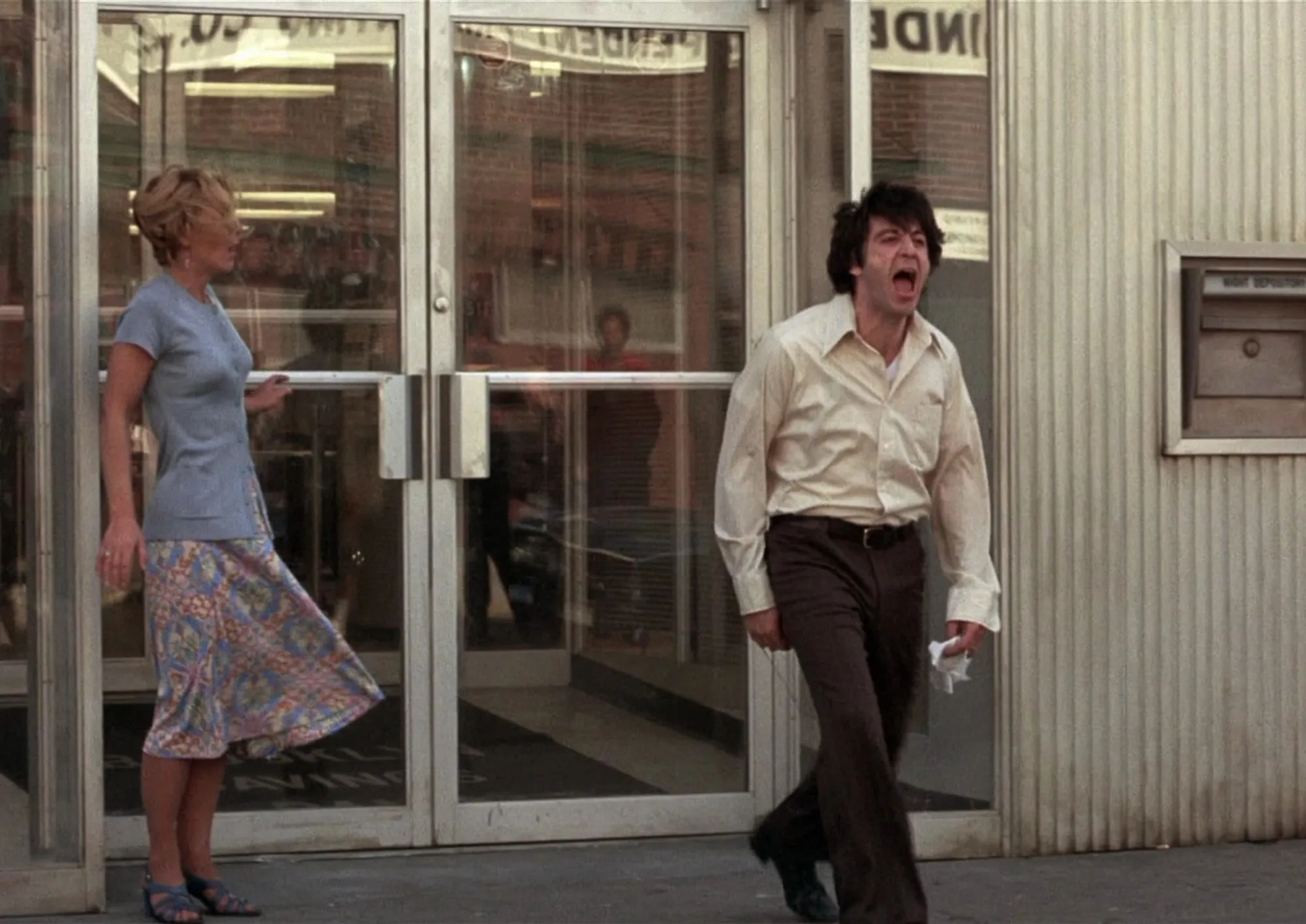
I took my cat to the vet yesterday and had that strange interregnum – too late to go back to work and too early to have a drink. So I flipped on the TV and lo and behold, Dog Day Afternoon was starting.

“Prescient” doesn’t even begin to capture Sidney Lumet’s masterpiece. Sonny (Al Pacino) and Sal (John Cazale) rob a bank in Brooklyn and before you know it, everything goes to shit, it’s a hostage situation, and they are surrounded by 100 cops, led by the overmatched and harried Charles Durning.

This is one of those 70s “New York City seems like hell” flicks. The robbery occurs on a sweltering summer day, and the police seem itching to gun down Pacino if only to get out of the heat. But soon, the TV cameras roll in, the crowds arrive, and before you know it, Pacino is a street-performer, not negotiating so much as whipping everyone up, screaming, “Attica! Attica!” and otherwise savoring the moment and, for lack of a better phrase, sticking it to “the Man.” His rage and theatrics are infectious. The crowd bays, bystanders want “in”, the hostages (plucky New Yorkers all) play-act and become featured cast members, and soon, the cops are the ones being led by the nose. Everybody has their 15 minutes.

But Sonny’s ride must end. Sal is a dimwit (when Pacino asks him what country they should fly to in escape, Cazale responds, “Wyoming”). The origins of the heist – to get money for Sonny’s boyfriend Chris Sarandon’s sex change – become public when Sarandon is sprung from a suicide attempt at Bellevue to come talk some sense into Pacino. The hostages start to lose the fun of it as well, and Cazale’s biggest worry becomes the fact that the networks are reporting “two homosexuals” in the bank. When Pacino is put on the line with his wife, you can see how he could be driven to such extremes and also what an awful person he has been to her. His mantra is, “I’m dying.” He is, in front of us, in slo-motion, but we sense we’ve missed a lot of the decline.

There is a great scene where the manager, having suffered a diabetic episode, is tended to by a doctor, gets his shot and chooses to stay with his employees:

               As Sonny grabs him to try to help him up, Mulvaney wrenches

               away.  A little physical here.

                                     SONNY

                         Hey!  I’m tryin’ to help you.

                                     MULVANEY

                         I stay here.  Damn it.  I just needed the insulin.  I’m used to it.

                         Go on.  Go on.

                                     SONNY

                              (to Doctor)

                         You tell me.  Is he endangering his

                         health, because if you tell me he

                         is, I’ll get him out.

                                     MULVANEY

                         I’ll be God damned if you will.

                                     SONNY

                         Oh, Jesus!  You want to be a martyr

                         or a hero or what?

                                    MULVANEY

                         I don’t wanta be either, I just want

                         to be left alone.  You understand

                         that?  I wish the fuck you never

                         came in my bank, that’s all, don’t

                         try to act like you’re some angel of

                         human kindness!

You can see Pacino’s hurt.  As if maybe he really thought this would work out and that he is a good man.

But soon, the FBI take over, and they are helluva lot more together than poor Durning and company.

Pacino is riveting,  alternately electric and doomed, eliciting your scorn and then sympathy. He’s all furtive energy minus the excess and “hoo ah!” You know this had to go bad, and so does he, and it’s depressing to see him hope, just for a minute, and then know he’s a loser and finished. Sarandon is fantastic (he was nominated for supporting actor), ridiculous and yet, affecting in his affectations, as if he knows he’s absurd but can’t shake the affliction.

It won an Oscar for Frank Pierson’s (Presumed Innocent, Cool Hand Luke) original screenplay, which doesn’t have a false note in it.

I recently devoured Quentin Tarantino‘s Cinema Speculations, wherein he recounts his childhood and the succession of films his mother’s boyfriends would take him to see when he was a kid. Most of the films he discusses are ones you probably shouldn’t take a kid to see.

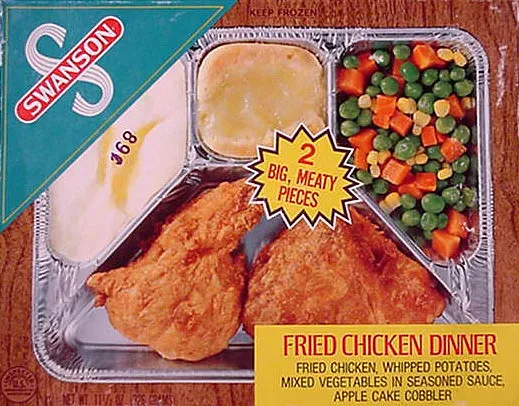
When my mother and father got divorced, I was six years old and my father was supposed to take us every other weekend for two nights. That arrangement became a little less frequent over the years, and by later grade school, he was taking me and my brother on a Saturday day and an overnight. We would spend the weekend with him at his apartment and pretty much do the same thing every time: go shopping, do his errands, look for stereo equipment, maybe spend an hour or two at his law office, go Putt Putt golfing, and then to Shakey’s Pizza in Rockville or The Charcoal Grille in Bethesda. Dinner was from Swanson’s, so you got a entree’, two sides, and a dessert.

And movies. We went out to the movies a lot. Or, we stayed in Dad’s apartment, where he had a special key that was hooked up to some kind of internal cable system, and we could watch close to first-run movies there instead of going out. Or just catch what was on TV.

My father loved movies, he loved to talk about movies, he lived for movies. So much so that he would go through a certain kabuki with me where he would let me take a look at The Washington Post and ask what I wanted to see. I would pick a Herbie the Love Bug and he would say, “Nah. I heard about this good movie.” And then, like Quentin Tarantino with his mother’s boyfriends, you went to see a lot of dark, heavy, violent flicks, like The Laughing Policeman, The Silent Partner, Death Wish, or The Taking of of Pelham One Two Three. Or the remake of Farewell My Lovely, Night Moves, or The Eiger Sanction.

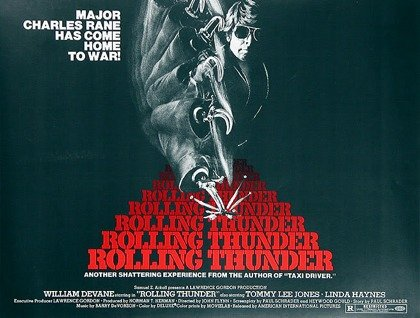
And Rolling Thunder. Which I noticed was available, and, as I couldn’t sleep anyway, I watched last night

Tarantino’s book has an entire chapter on the film, one of Paul Schrader’s first screenplays after Taxi Driver. Major Charlie Rane (William Devane) and Sergeant Johnny Vohden (Tommy Lee Jones) return to Texas after seven years of brutal captivity in a North Vietnamese prison camp. The adjustment is fraught, and even greater tortures are brought to bear on Devane, who is being treated by an Air Force psychiatrist (the just recently deceased Dabney Coleman) in his attempt to readjust. Tragedy ensues. Devane snaps. What follows is a classic 70s revenge flick.

The film travels wonderfully. There is a crisp foreboding to Devane’s return. While San Antonio welcomes him with marching bands and celebrations, and he is reunited with his long suffering and loving wife and the son who he last saw as a baby, Devane is damaged, and beneath the cheery gleam of a welcoming Texas, there is rot and danger. His son has anxiety issues. His wife has found another man (Devane says to her evenly, “you’re not wearing a brassiere” to which she replies, “oh, no one wears them anymore”). He cannot sleep in the house, preferring a cot in the garage.

So much is done well in the lead-up to the Death Wish-ian payoff, it goes unnoticed because, after all, this is a shoot ’em up, just desserts pic. Per Tarantino: ““This opening thirty minutes is a grippingly detailed character study, and by the time it’s over the audience doesn’t just sympathize with Charlie Rane, we really do understand him. Apparently better than anybody else in the film. It’s a much deeper depiction of the casualties of war than the [other movies of that era].”

I remember watching the film with my father. It is engrossing, both subtle and visceral, like a lot of pictures we saw together. It is also wildly inappropriate, also like a lot of pictures we saw together. I had trouble wrapping my head around something horrible that happens to Devane; not a spinning, vomiting Linda Blair kind of visual, but a brutality so smartly connected to a mundane part of the household, it just traveled with me, and probably not in a good way. Even last night, I fast-forwarded.

But on Sundays, when we were dropped off, I would not tell my mother about any of these movies, because I felt me and my Dad had this thing, this bond, and it was cemented in our little secret, Jujufruits and Junior Mints in hand.  And perhaps we did, although I’m probably mythologizing it. After all, my father needed to have something to talk to me about. Or at a minimum, just a two hour break from my babbling.

The picture is currently on Amazon Prime. Nostalgic for me but it really holds up.